What are you curious about? Contact now!
+90 541 339 97 23

Evitarea expunerii la soare după transplantul de păr

Transplantul de păr este o intervenție chirurgicală care necesită multă îngrijire personală pentru o recuperare rapidă. Pe de altă parte, este o idee bună să fii expus la soare imediat după un transplant de păr? Este necesar să evitați expunerea la soare după transplantul de păr? Toate informațiile care vă vor fi de folos sunt în articolul nostru.

De ce trebuie să evit expunerea la soare important după transplantul de păr?

Zona transplantată de obicei nu se poate proteja împotriva razelor solare timp de cel puțin câteva luni după operația de transplant de păr. Pielea noastră conține cromatofori, care întunecă pielea atunci când este expusă la prea mult soare, ca formă de protecție. Cu toate acestea, acești cromatofori devin ineficienți sau mor în timpul transplantului și au nevoie de timp pentru ca ei să se vindece sau să se regenereze în cadrul grefelor.

Când vine vorba de transplantul de păr, nu numai stratul exterior al pielii este tratat. Intervențiile chirurgicale și lumina excesivă a soarelui pătrund în aceste țesuturi profunde, provocând leziuni ireversibile, în timp ce straturile epidermei sunt tratate. Din acest motiv, recomandăm pacienților noștri să evite expunerea la soare la 3 luni după transplantul de păr.

Expunerea la soare la 3 luni după transplantul de păr

Avoiding Sun Exposure After Hair Transplant

Avem întotdeauna nevoie de vitamine solare (cum ar fi vitamina D solară). Pentru aceasta, trebuie să fim expuși la o cantitate suficientă de lumină solară. Cu toate acestea, această situație diferă în procesul de după transplantul de păr. Nu trebuie sa stai mult timp la soare cel putin 3 luni dupa transplantul de par . Această perioadă poate fi chiar de 4 luni. Este benefic să nu folosiți produse precum cremă de protecție solară, balsam, etc până când tăieturile de pe scalp sunt complet vindecate.

Cum să evitați expunerea la soare după transplantul de păr?

In aceasta perioada in care scalpul este destul de sensibil, trebuie sa iti protejezi pielea de razele soarelui. Pielea, care este, de asemenea, vulnerabilă la soare în perioadele normale, poate fi mai vulnerabilă la soare în această perioadă. Scalpul, în special scalpul tratat, este mai vulnerabil în această perioadă. Pentru a obține rezultate naturale în transplantul de păr, puteți lua în considerare următoarele sugestii.

Modalități de a evita expunerea la soare după transplantul de păr:

  • Purtarea unei pălării vă va proteja scalpul de soare.
  • Folosirea de protecție solară de înaltă protecție va oferi protecție împotriva razelor UV dăunătoare ale soarelui.
  • Evitați să vă expuneți la soare pentru perioade lungi de timp după-amiaza.

Pacienții prevăd de obicei că ieșirea la soare la 30 de zile după un transplant de păr nu va cauza probleme. Totuși, aceasta nu este o idee corectă. Ar trebui să evitați expunerea la soare după transplantul de păr. Timpul de care aveți nevoie este de minim 3 luni.

Când poți merge la soare după transplantul de păr?

Știm cu toții că trebuie să obținem vitamine din lumina soarelui. Cu toate acestea, această situație poate varia ușor în procesele de după transplantul de păr. După această procedură, ar trebui să evitați plaja sau expunerea la soare în orice mod timp de cel puțin trei luni. Timpul de care aveți nevoie este de la 3 la 4 luni. Nu trebuie să ieși la soare până nu au trecut cel puțin 3 luni de la procedură.

Plaja după transplantul de păr

Mai ales după ce procedurile de transplant de păr sunt efectuate în lunile de vară, cea mai curioasă întrebare a pacienților este „Este posibil să înoți în mare după transplantul de păr?”. Cu toate acestea, așa cum am menționat mai sus, ar trebui să evitați expunerea la soare pentru o anumită perioadă. Expunerea la soare după transplantul de păr, evitarea dumneavoastră este de minim 3-4 luni. De aceea ideea de a merge la o plajă poate fi riscantă pentru tine. Cu toate acestea, dacă mergi la plajă fără să aștepți să treacă acest timp, îți recomandăm să nu înoți acolo și să porți o pălărie pentru a-ți proteja scalpul de soare.

Solar după transplant de păr

Recomandările noastre privind expunerea la razele soarelui se aplică și la solar. Nu intrați în solar timp de 3 luni după procedură. Nu înotați în mare sau în piscină timp de 1 lună după procedură. Cu toate acestea, evitați să faceți activități sportive timp de 1 lună.

Puteți completa formularul de contact de pe pagina noastră de transplant de păr pentru a obține informații mai detaliate despre prețurile sau procedurile de transplant de păr.

Întrebări frecvente

Când poți merge la soare după un transplant de păr?
După operația de transplant de păr, puteți ieși la soare oricând. Totuși, punctul de luat în considerare este de a proteja zona tratată de lumina directă a soarelui și de a oferi umbră cu o pălărie care să nu strângă capul. Evitați expunerea prelungită la soare timp de 3 sau 4 luni.

Vremea caldă afectează transplanturile de păr?
Atâta timp cât nu atingeți zona de procedură și o protejați de traume, dacă aerul este cald sau rece nu vă afectează recuperarea. Cu toate acestea, este important pentru procesul de vindecare ca scalpul să nu transpire prea mult. Prin urmare, este mai benefic ca acest proces să fie făcut toamna sau iarna în loc de vreme foarte caldă. Cu toate acestea, așa cum am menționat, dacă aveți de gând să vă protejați suficient zona de tranzacționare, puteți efectua acest proces și vara.

Poți transpira după transplantul de păr?
După transplantul de păr , trebuie să evitați transpirația excesivă, astfel încât grefele transplantate să nu fie deteriorate. De asemenea, este foarte important să evitați să vă atingeți și să vă trageți de păr în primele zece zile după procedură. Cu toate acestea, exercițiile fizice vă pot face să transpirați excesiv. Cu toate acestea, dușurile fierbinți, intrarea în saună sau starea îndelungată afară într-o zi extrem de fierbinte vă pot provoca, de asemenea, să transpirați. După transplantul de păr, vă recomandăm să evitați munca grea sau activitatea fizică pentru a vă proteja zona de procesare de transpirația excesivă.

Spitalul Erdem – Alegerea potrivită pentru sănătatea ta!

Contact Us
Phone number is required!
Without Country Code

Vermijd blootstelling aan de zon na een haartransplantatie

Een haartransplantatie is een operatie die veel persoonlijke verzorging vereist voor een snel herstel. Aan de andere kant, is het een goed idee om direct na een haartransplantatie in de zon te staan? Is het noodzakelijk om blootstelling aan de zon na een haartransplantatie te vermijden? Alle nuttige informatie vindt u in ons artikel.

Waarom moet ik blootstelling aan de zon vermijden na een haartransplantatie?

Het getransplanteerde gebied kan zich meestal niet beschermen tegen zonnestralen gedurende ten minste enkele maanden na de haartransplantatie. Onze huid bevat chromatoforen, die de huid donkerder maken als bescherming bij blootstelling aan te veel zonlicht. Deze chromatoforen verliezen echter hun effectiviteit of sterven af ​​tijdens de transplantatie, en het duurt even voordat ze genezen of regenereren in de transplantaten.

Bij een haartransplantatie wordt niet alleen de buitenste huidlaag behandeld. De operatie en overmatig zonlicht dringen door tot in deze diepe weefsels en veroorzaken onherstelbare schade, terwijl de lagen van de opperhuid worden behandeld. Daarom raden we onze patiënten aan om 3 maanden na de haartransplantatie geen blootstelling aan de zon te hebben.

Blootstelling aan de zon 3 maanden na haartransplantatie

Vermijd blootstelling aan de zon na een haartransplantatie

We hebben altijd zonnevitaminen nodig (zoals zonnevitamine D). Hiervoor moeten we voldoende zonlicht krijgen. Deze situatie is echter anders in het proces na een haartransplantatie. U mag gedurende ten minste 3 maanden na de haartransplantatie niet langdurig in de zon blijven . Deze periode kan zelfs 4 maanden duren. Het is raadzaam om geen producten zoals zonnebrandcrème, conditioner, enz. te gebruiken totdat de wondjes op uw hoofdhuid volledig genezen zijn.

Hoe vermijd je blootstelling aan de zon na een haartransplantatie?

In deze periode, waarin de hoofdhuid erg gevoelig is, moet u uw huid beschermen tegen de zon. De huid, die normaal gesproken ook gevoelig is voor de zon, kan in deze periode kwetsbaarder zijn voor de zon. De hoofdhuid, en dan met name de behandelde hoofdhuid, is in deze periode extra kwetsbaar. Om een ​​natuurlijk resultaat te bereiken bij een haartransplantatie, kunt u de volgende tips in acht nemen.

Manieren om blootstelling aan de zon na een haartransplantatie te vermijden:

  • Door een hoed te dragen, beschermt u uw hoofdhuid tegen de zon.
  • Door een zonnebrandcrème met een hoge beschermingsfactor te gebruiken, beschermt u zich tegen de schadelijke UV-straling van de zon.
  • Vermijd langdurige blootstelling aan de zon in de middag.

Patiënten verwachten doorgaans dat blootstelling aan de zon 30 dagen na een haartransplantatie geen problemen zal opleveren. Dit is echter niet juist. U dient blootstelling aan de zon na een haartransplantatie te vermijden. De benodigde tijd hiervoor is minimaal 3 maanden.

Wanneer mag je in de zon na een haartransplantatie?

We weten allemaal dat we vitamines uit zonlicht nodig hebben. Deze situatie kan echter enigszins afwijken in de processen na een haartransplantatie. Na deze behandeling moet u gedurende ten minste drie maanden zonnebaden of blootstelling aan de zon vermijden. De benodigde tijd hiervoor is 3 tot 4 maanden. U mag pas na de behandeling in de zon komen als er ten minste drie maanden zijn verstreken.

Strand na haartransplantatie

Vooral na haartransplantaties in de zomermaanden is de meest voorkomende vraag van patiënten: “Is het mogelijk om na een haartransplantatie in zee te zwemmen?”. Zoals we hierboven al aangaven, moet u echter gedurende een bepaalde periode blootstelling aan de zon vermijden. Na een FEE-haartransplantatie moet u de zon minimaal 3-4 maanden vermijden. Daarom kan het idee om naar het strand te gaan riskant zijn. Als u echter naar het strand gaat zonder deze periode te wachten, raden we u aan om daar niet te zwemmen en een hoed te dragen om uw hoofdhuid tegen de zon te beschermen.

Solarium na haartransplantatie

Onze aanbevelingen met betrekking tot blootstelling aan de zon gelden ook voor de zonnebank. Ga gedurende 3 maanden na de behandeling niet naar de zonnebank. Zwem gedurende 1 maand na de behandeling niet in zee of in het zwembad. Sporten is echter gedurende 1 maand niet toegestaan.

U kunt het contactformulier op onze haartransplantatiepagina invullen voor meer gedetailleerde informatie over haartransplantatieprijzen of -procedures.

Veelgestelde vragen

Wanneer mag u na een haartransplantatie in de zon?
Na de haartransplantatie mag u op elk moment in de zon. Het is echter belangrijk om het behandelde gebied te beschermen tegen direct zonlicht en schaduw te creëren met een hoed die niet te strak om het hoofd zit. Vermijd langdurige blootstelling aan de zon gedurende 3 tot 4 maanden.

Heeft warm weer invloed op haartransplantaties?
Zolang u het behandelde gebied niet aanraakt en het beschermt tegen beschadigingen, heeft warme of koude lucht geen invloed op uw herstel. Het is echter belangrijk voor uw genezingsproces dat uw hoofdhuid niet te veel zweet. Daarom is het beter om deze behandeling in de herfst of winter te laten uitvoeren dan in zeer warm weer. Zoals we al zeiden, kunt u deze behandeling ook in de zomer laten uitvoeren als u uw behandelgebied voldoende wilt beschermen.

Kun je zweten na een haartransplantatie?
Na een haartransplantatie moet je overmatig zweten vermijden om beschadiging van de getransplanteerde haartransplantaten te voorkomen. Het is ook erg belangrijk om de eerste tien dagen na de behandeling je haar niet aan te raken of eraan te trekken. Sporten kan er echter voor zorgen dat je overmatig zweet. Ook hete douches, een bezoek aan de sauna of langdurig buiten zijn op een extreem warme dag kunnen ervoor zorgen dat je gaat zweten. Na een haartransplantatie raden we je aan om zwaar werk of fysieke activiteit te vermijden om je behandelgebied te beschermen tegen overmatig zweten.

Erdem Ziekenhuis – De juiste keuze voor uw gezondheid!

Contact Us
Phone number is required!
Without Country Code

Vermeidung von Sonneneinstrahlung nach einer Haartransplantation

Eine Haartransplantation ist ein chirurgischer Eingriff, der viel persönliche Pflege erfordert, um eine schnelle Genesung zu gewährleisten. Ist es dennoch sinnvoll, sich unmittelbar nach einer Haartransplantation der Sonne auszusetzen? Ist es notwendig, Sonneneinstrahlung nach einer Haartransplantation zu vermeiden? Alle nützlichen Informationen finden Sie in unserem Artikel.

Warum ist es wichtig, nach einer Haartransplantation Sonneneinstrahlung zu vermeiden?

Der transplantierte Bereich kann sich nach der Haartransplantation in der Regel mindestens einige Monate lang nicht selbst vor Sonneneinstrahlung schützen. Unsere Haut enthält Chromatophoren, die die Haut bei zu viel Sonneneinstrahlung zum Schutz dunkler färben. Diese Chromatophoren verlieren jedoch während der Transplantation ihre Wirkung oder sterben ab. Es dauert einige Zeit, bis sie in den Transplantaten heilen oder sich regenerieren.

Bei einer Haartransplantation wird nicht nur die äußere Hautschicht behandelt. Chirurgische Eingriffe und übermäßige Sonneneinstrahlung dringen in das tiefere Gewebe ein und verursachen irreversible Schäden, während die Schichten der Epidermis behandelt werden. Aus diesem Grund empfehlen wir unseren Patienten, drei Monate nach der Haartransplantation Sonneneinstrahlung zu vermeiden.

Sonneneinstrahlung 3 Monate nach der Haartransplantation

Avoiding Sun Exposure After Hair Transplant

Wir benötigen ständig Sonnenvitamine (wie Sonnenvitamin D). Dafür ist ausreichend Sonnenlicht erforderlich. Nach einer Haartransplantation ist die Situation jedoch anders. Sie sollten sich nach einer Haartransplantation mindestens drei Monate lang nicht längere Zeit in der Sonne aufhalten . Dieser Zeitraum kann sogar vier Monate betragen. Es ist ratsam, keine Produkte wie Sonnenschutzmittel, Spülungen usw. zu verwenden, bis die Schnitte auf Ihrer Kopfhaut vollständig verheilt sind.

Wie vermeidet man Sonneneinstrahlung nach einer Haartransplantation?

In dieser Zeit ist die Kopfhaut besonders empfindlich und muss vor Sonneneinstrahlung geschützt werden. Die Haut, die normalerweise anfällig für Sonneneinstrahlung ist, kann in dieser Zeit noch anfälliger sein. Die Kopfhaut, insbesondere die behandelte Kopfhaut, ist in dieser Zeit besonders anfällig. Um bei einer Haartransplantation natürliche Ergebnisse zu erzielen, sollten Sie die folgenden Tipps beachten.

Möglichkeiten zur Vermeidung von Sonneneinstrahlung nach einer Haartransplantation:

  • Das Tragen eines Hutes schützt Ihre Kopfhaut vor der Sonne.
  • Die Verwendung eines Sonnenschutzmittels mit hohem Lichtschutzfaktor bietet Schutz vor den schädlichen UV-Strahlen der Sonne.
  • Vermeiden Sie längere Aufenthalte in der Sonne am Nachmittag.

Patienten gehen normalerweise davon aus, dass Sonnenbäder 30 Tage nach einer Haartransplantation keine Probleme bereiten. Dies ist jedoch nicht korrekt. Sie sollten nach einer Haartransplantation Sonneneinstrahlung meiden. Die dafür erforderliche Zeit beträgt mindestens drei Monate.

Wann können Sie nach einer Haartransplantation in die Sonne gehen?

Wir alle wissen, dass wir Vitamine durch Sonnenlicht aufnehmen müssen. Dies kann jedoch nach einer Haartransplantation leicht abweichen. Nach diesem Eingriff sollten Sie mindestens drei Monate lang Sonnenbäder und jegliche Sonneneinstrahlung vermeiden. Die empfohlene Zeitspanne beträgt drei bis vier Monate. Gehen Sie erst wieder drei Monate nach dem Eingriff in die Sonne.

Strand nach der Haartransplantation

Besonders nach Haartransplantationen in den Sommermonaten fragen sich viele Patienten: „Kann man nach einer Haartransplantation wieder im Meer schwimmen?“ Wie bereits erwähnt, sollten Sie jedoch für einen bestimmten Zeitraum Sonneneinstrahlung meiden. Nach einer FUE-Haartransplantation sollten Sie mindestens 3-4 Monate lang Sonneneinstrahlung meiden. Daher kann ein Strandbesuch riskant sein. Sollten Sie jedoch ohne Wartezeit an den Strand gehen, empfehlen wir Ihnen, dort nicht zu schwimmen und einen Hut zu tragen, um Ihre Kopfhaut vor der Sonne zu schützen.

Solarium nach Haartransplantation

Unsere Empfehlungen zur Sonneneinstrahlung gelten auch für das Solarium. Betreten Sie das Solarium drei Monate nach dem Eingriff nicht. Schwimmen Sie einen Monat nach dem Eingriff nicht im Meer oder Pool. Vermeiden Sie jedoch einen Monat lang sportliche Aktivitäten.

Sie können das Kontaktformular auf unserer Seite zur Haartransplantation ausfüllen, um detailliertere Informationen zu Preisen oder Verfahren für Haartransplantationen zu erhalten.

Häufig gestellte Fragen

Wann können Sie nach einer Haartransplantation wieder in die Sonne gehen?
Nach der Haartransplantation können Sie jederzeit in die Sonne gehen. Beachten Sie jedoch, dass Sie die behandelte Stelle vor direkter Sonneneinstrahlung schützen und mit einem Hut, der den Kopf nicht einschnürt, Schatten spenden sollten. Vermeiden Sie längere Sonneneinstrahlung für 3 bis 4 Monate.

Beeinträchtigt heißes Wetter Haartransplantationen?
Solange Sie den Behandlungsbereich nicht berühren und vor Verletzungen schützen, hat weder heiße noch kalte Luft Auswirkungen auf Ihre Genesung. Für den Heilungsprozess ist es jedoch wichtig, dass Ihre Kopfhaut nicht zu stark schwitzt. Daher ist es vorteilhafter, den Eingriff im Herbst oder Winter statt bei sehr heißem Wetter durchführen zu lassen. Wie bereits erwähnt, können Sie den Eingriff jedoch auch im Sommer durchführen lassen, wenn Sie Ihren Behandlungsbereich ausreichend schützen.

Können Sie nach einer Haartransplantation schwitzen?
Nach einer Haartransplantation müssen Sie übermäßiges Schwitzen vermeiden, um die transplantierten Grafts nicht zu beschädigen. Es ist außerdem sehr wichtig, dass Sie in den ersten zehn Tagen nach dem Eingriff weder Ihre Haare berühren noch daran ziehen. Sport kann jedoch zu übermäßigem Schwitzen führen. Auch heiße Duschen, Saunagänge oder längere Aufenthalte im Freien an einem extrem heißen Tag können zu Schwitzen führen. Wir empfehlen Ihnen, nach einer Haartransplantation schwere Arbeit oder körperliche Anstrengung zu vermeiden, um den Behandlungsbereich vor übermäßigem Schwitzen zu schützen.

Erdem Krankenhaus – Die richtige Wahl für Ihre Gesundheit!

Contact Us
Phone number is required!
Without Country Code

تجنب التعرض لأشعة الشمس بعد زراعة الشعر

زراعة الشعر عملية جراحية تتطلب عناية شخصية فائقة للتعافي السريع. من ناحية أخرى، هل يُنصح بالتعرض لأشعة الشمس مباشرةً بعد زراعة الشعر؟ هل من الضروري تجنب التعرض لأشعة الشمس بعد زراعة الشعر؟ ستجدون في مقالتنا جميع المعلومات المفيدة.

لماذا من المهم تجنب التعرض لأشعة الشمس بعد زراعة الشعر؟

عادةً ما لا تستطيع المنطقة المزروعة حماية نفسها من أشعة الشمس لبضعة أشهر على الأقل بعد جراحة زراعة الشعر. يحتوي جلدنا على كروماتوفورات، تُغمق لون الجلد عند التعرض المفرط لأشعة الشمس كنوع من الحماية. ومع ذلك، تفقد هذه الكروماتوفورات فعاليتها أو تموت أثناء الزراعة، وتستغرق وقتًا للشفاء أو التجدد داخل الطعوم.

عند زراعة الشعر، لا يقتصر علاج طبقة الجلد الخارجية فقط، بل تخترق الجراحة وأشعة الشمس المفرطة هذه الأنسجة العميقة، مسببةً أضرارًا لا رجعة فيها، بينما تُعالج طبقات البشرة. لذلك، نوصي مرضانا بتجنب التعرض لأشعة الشمس لمدة 3 أشهر بعد زراعة الشعر.

التعرض لأشعة الشمس بعد 3 أشهر من زراعة الشعر

تجنب التعرض لأشعة الشمس بعد زراعة الشعر

نحتاج دائمًا إلى فيتامينات الشمس (مثل فيتامين د). لتحقيق ذلك، يجب التعرض لأشعة الشمس بشكل كافٍ. مع ذلك، يختلف الوضع بعد زراعة الشعر. يجب عدم التعرض لأشعة الشمس لفترة طويلة لمدة 3 أشهر على الأقل بعد زراعة الشعر ، وقد تصل هذه الفترة إلى 4 أشهر. يُنصح بعدم استخدام منتجات مثل واقي الشمس والبلسم، إلخ، حتى تلتئم جروح فروة الرأس تمامًا.

كيفية تجنب التعرض لأشعة الشمس بعد زراعة الشعر؟

خلال هذه الفترة، عندما تكون فروة الرأس حساسة للغاية، يجب عليك حماية بشرتك من أشعة الشمس. فالجلد، الذي يكون أيضًا عرضة لأشعة الشمس في الأوقات العادية، قد يكون أكثر عرضة لها خلال هذه الفترة. فروة الرأس، وخاصةً فروة الرأس المعالجة، تكون أكثر عرضة لها خلال هذه الفترة. للحصول على نتائج طبيعية في زراعة الشعر، يمكنك مراعاة الاقتراحات التالية.

طرق تجنب التعرض لأشعة الشمس بعد زراعة الشعر:

  • ارتداء قبعة يحمي فروة رأسك من الشمس.
  • إن استخدام كريم الوقاية من الشمس ذو الحماية العالية سيوفر لك الحماية ضد الأشعة فوق البنفسجية الضارة للشمس.
  • تجنب البقاء تحت أشعة الشمس لفترات طويلة خلال فترة ما بعد الظهر.

عادةً ما يتوقع المرضى أن التعرض لأشعة الشمس بعد 30 يومًا من زراعة الشعر لن يُسبب أي مشاكل. لكن هذا ليس صحيحًا. يُنصح بتجنب التعرض لأشعة الشمس بعد زراعة الشعر، والمدة اللازمة لذلك هي 3 أشهر على الأقل.

متى يمكنك التعرض لأشعة الشمس بعد زراعة الشعر؟

نعلم جميعًا أننا نحتاج إلى الحصول على الفيتامينات من أشعة الشمس. ومع ذلك، قد يختلف هذا الوضع قليلًا في مراحل ما بعد زراعة الشعر. بعد إجراء هذه العملية، يجب تجنب حمامات الشمس أو التعرض لأشعة الشمس بأي شكل من الأشكال لمدة ثلاثة أشهر على الأقل. المدة اللازمة لذلك تتراوح بين 3 و4 أشهر. يجب عدم التعرض لأشعة الشمس حتى مرور 3 أشهر على الأقل على العملية.

الشاطئ بعد زراعة الشعر

بعد إجراء زراعة الشعر في أشهر الصيف، يتساءل المرضى بفضول: “هل يُمكن السباحة في البحر بعد زراعة الشعر؟”. وكما ذكرنا سابقًا، يُنصح بتجنب التعرض لأشعة الشمس لفترة معينة. بعد زراعة الشعر، يجب تجنب التعرض لأشعة الشمس لمدة 3-4 أشهر على الأقل. لذلك، قد تُشكّل فكرة الذهاب إلى الشاطئ مخاطرة. مع ذلك، إذا ذهبت إلى الشاطئ قبل انقضاء هذه الفترة، فننصحك بتجنب السباحة وارتداء قبعة لحماية فروة رأسك من الشمس.

جلسة سولاريوم بعد زراعة الشعر

تنطبق توصياتنا بشأن التعرض لأشعة الشمس أيضًا على غرفة التشمس. تجنب دخول غرفة التشمس لمدة 3 أشهر بعد العملية. تجنب السباحة في البحر أو المسبح لمدة شهر بعد العملية. مع ذلك، تجنب ممارسة الأنشطة الرياضية لمدة شهر.

يمكنك ملء نموذج الاتصال الموجود على صفحة زراعة الشعر لدينا للحصول على معلومات أكثر تفصيلاً حول أسعار أو إجراءات زراعة الشعر.

الأسئلة الشائعة

متى يُمكنك التعرض لأشعة الشمس بعد زراعة الشعر؟
بعد عملية زراعة الشعر، يُمكنك الخروج في أي وقت. مع ذلك، يُنصح بحماية المنطقة المُعالَجة من أشعة الشمس المباشرة وتوفير الظل بقبعة لا تُضغط على الرأس. تجنّب التعرض لأشعة الشمس لفترات طويلة لمدة 3 أو 4 أشهر.

هل يؤثر الطقس الحار على زراعة الشعر؟
طالما أنك لا تلمس منطقة العملية وتحميها من الصدمات، فإن الهواء سواءً كان حارًا أو باردًا لا يؤثر على تعافيك. مع ذلك، من المهم لعملية الشفاء ألا تتعرق فروة رأسك كثيرًا. لذلك، من الأفضل إجراء هذه العملية في الخريف أو الشتاء بدلًا من الطقس الحار جدًا. ومع ذلك، كما ذكرنا، إذا كنت ترغب في حماية منطقة العملية بشكل كافٍ، يمكنك أيضًا إجراؤها في الصيف.

هل يُمكن التعرق بعد زراعة الشعر؟
بعد زراعة الشعر ، يجب تجنب التعرق المفرط لحماية الطعوم المزروعة. من المهم جدًا أيضًا تجنب لمس أو شد شعرك خلال الأيام العشرة الأولى بعد العملية. مع ذلك، قد تُسبب ممارسة الرياضة تعرقًا مفرطًا. كما أن الاستحمام بماء ساخن، أو الذهاب إلى الساونا، أو البقاء في الخارج لفترة طويلة في يوم شديد الحرارة قد يُسبب التعرق أيضًا. بعد زراعة الشعر، ننصحك بتجنب الأعمال الشاقة أو الأنشطة البدنية الشاقة لحماية منطقة زراعة الشعر من التعرق المفرط.

مستشفى ارديم – الخيار الصحيح لصحتك!

Contact Us
Phone number is required!
Without Country Code

Éviter l’exposition au soleil après une greffe de cheveux

La greffe de cheveux est une intervention chirurgicale qui nécessite des soins attentifs pour une guérison rapide. D’ailleurs, est-il judicieux de s’exposer au soleil immédiatement après une greffe de cheveux ? Est-il nécessaire d’éviter l’exposition au soleil après une greffe ? Toutes les informations utiles se trouvent dans notre article.

Pourquoi dois-je éviter l’exposition au soleil après une greffe de cheveux ?

La zone transplantée ne peut généralement pas se protéger des rayons du soleil pendant au moins quelques mois après la greffe. Notre peau contient des chromatophores, qui la noircissent lorsqu’elle est trop exposée au soleil pour la protéger. Cependant, ces chromatophores deviennent inefficaces ou meurent pendant la transplantation, et leur cicatrisation ou leur régénération au sein des greffons prend du temps.

Lors d’une greffe de cheveux, la couche superficielle de la peau n’est pas la seule à être traitée. La chirurgie et l’exposition excessive au soleil pénètrent ces tissus profonds, provoquant des dommages irréversibles, tandis que les couches de l’épiderme sont traitées. C’est pourquoi nous recommandons à nos patients d’éviter toute exposition au soleil pendant les trois mois suivant la greffe.

Exposition au soleil 3 mois après une greffe de cheveux

Avoiding Sun Exposure After Hair Transplant

Nous avons toujours besoin de vitamines solaires (comme la vitamine D). Pour cela, nous devons être suffisamment exposés au soleil. Cependant, la situation est différente après une greffe de cheveux. Il est conseillé de ne pas s’exposer au soleil pendant une période prolongée, pendant au moins 3 mois après la greffe . Cette période peut même aller jusqu’à 4 mois. Il est conseillé de ne pas utiliser de produits tels que crème solaire, après-shampoing, etc., jusqu’à la cicatrisation complète des plaies.

Comment éviter l’exposition au soleil après une greffe de cheveux ?

Pendant cette période où le cuir chevelu est très sensible, il est essentiel de protéger sa peau des rayons du soleil. La peau, également vulnérable au soleil en temps normal, peut l’être encore plus pendant cette période. Le cuir chevelu, en particulier celui traité, est plus vulnérable pendant cette période. Pour obtenir des résultats naturels après une greffe de cheveux, vous pouvez suivre les conseils suivants.

Moyens d’éviter l’exposition au soleil après une greffe de cheveux :

  • Porter un chapeau protégera votre cuir chevelu du soleil.
  • L’utilisation d’un écran solaire haute protection offrira une protection contre les rayons UV nocifs du soleil.
  • Évitez de rester au soleil pendant de longues périodes au cours de l’après-midi.

Les patients estiment généralement qu’une exposition au soleil 30 jours après une greffe de cheveux ne posera aucun problème. Cependant, ce n’est pas le cas. Il est conseillé d’éviter toute exposition au soleil après une greffe de cheveux. La durée minimale requise est de 3 mois.

Quand pouvez-vous vous exposer au soleil après une greffe de cheveux ?

Nous savons tous que le soleil est essentiel à l’apport de vitamines. Cependant, la situation peut varier légèrement après une greffe de cheveux. Après cette intervention, il est conseillé d’éviter les bains de soleil et toute exposition au soleil pendant au moins trois mois. La durée nécessaire est de 3 à 4 mois. Il est conseillé de ne pas s’exposer au soleil pendant au moins trois mois après l’intervention.

Plage après une greffe de cheveux

La question la plus fréquente des patients, surtout après une greffe de cheveux en été, est : « Est-il possible de se baigner dans la mer après une greffe ? ». Cependant, comme mentionné précédemment, il est conseillé d’éviter l’exposition au soleil pendant une certaine période. Après une greffe de cheveux FUE, il faut éviter de s’exposer au soleil pendant au moins 3 à 4 mois. C’est pourquoi aller à la plage peut être risqué. Cependant, si vous allez à la plage sans attendre, nous vous recommandons de ne pas vous baigner et de porter un chapeau pour protéger votre cuir chevelu du soleil.

Solarium après greffe de cheveux

Nos recommandations concernant l’exposition au soleil s’appliquent également au solarium. Évitez d’y aller pendant les 3 mois suivant l’intervention. Évitez de vous baigner dans la mer ou la piscine pendant le mois suivant l’intervention. Évitez toutefois toute activité sportive pendant ce mois.

Vous pouvez remplir le formulaire de contact sur notre page de greffe de cheveux pour obtenir des informations plus détaillées sur les prix ou les procédures de greffe de cheveux.

Questions fréquemment posées

Quand peut-on s’exposer au soleil après une greffe de cheveux ?
Après l’opération, vous pouvez vous exposer au soleil à tout moment. Il est toutefois important de protéger la zone traitée du soleil direct et de la protéger avec un chapeau qui ne comprime pas la tête. Évitez toute exposition prolongée au soleil pendant 3 ou 4 mois.

La chaleur affecte-t-elle les greffes de cheveux ?
Tant que vous ne touchez pas la zone à traiter et que vous la protégez des traumatismes, la chaleur ou le froid n’affectent pas votre rétablissement. Cependant, il est important pour votre guérison que votre cuir chevelu ne transpire pas trop. Il est donc préférable de réaliser cette intervention en automne ou en hiver plutôt que par temps très chaud. Cependant, comme nous l’avons mentionné, si vous protégez suffisamment votre zone de traitement, vous pouvez également la réaliser en été.

Peut-on transpirer après une greffe de cheveux ?
Après une greffe de cheveux , il est important d’éviter de transpirer excessivement afin de ne pas endommager les greffons. Il est également très important d’éviter de toucher et de tirer vos cheveux pendant les dix premiers jours suivant l’intervention. Cependant, l’exercice physique peut provoquer une transpiration excessive. Les douches chaudes, les saunas ou les longues sorties par temps extrêmement chaud peuvent également provoquer une transpiration excessive. Après une greffe de cheveux, nous vous recommandons d’éviter les travaux lourds ou les activités physiques intenses afin de protéger la zone traitée de la transpiration excessive.

Hôpital Erdem – Le bon choix pour votre santé !

Contact Us
Phone number is required!
Without Country Code

Evitare l’esposizione al sole dopo il trapianto di capelli

Il trapianto di capelli è un intervento chirurgico che richiede molta cura personale per una rapida guarigione. D’altra parte, è una buona idea esporsi al sole subito dopo un trapianto di capelli? È necessario evitare l’esposizione al sole dopo il trapianto? Tutte le informazioni utili sono disponibili nel nostro articolo.

Perché è importante evitare l’esposizione al sole dopo il trapianto di capelli?

L’area trapiantata di solito non è in grado di proteggersi dai raggi solari per almeno alcuni mesi dopo l’intervento di trapianto di capelli. La nostra pelle contiene cromatofori, che la scuriscono quando esposta a un’eccessiva esposizione al sole come forma di protezione. Tuttavia, questi cromatofori diventano inefficaci o muoiono durante il trapianto, e ci vuole tempo perché guariscano o si rigenerino all’interno degli innesti.

Quando si parla di trapianto di capelli, non viene trattato solo lo strato esterno della pelle. L’intervento chirurgico e l’eccessiva esposizione alla luce solare penetrano nei tessuti profondi, causando danni irreversibili, mentre vengono trattati anche gli strati dell’epidermide. Per questo motivo, raccomandiamo ai nostri pazienti di evitare l’esposizione al sole per 3 mesi dopo il trapianto di capelli.

Esposizione al sole 3 mesi dopo il trapianto di capelli

Avoiding Sun Exposure After Hair Transplant

Abbiamo sempre bisogno di vitamine del sole (come la vitamina D). Per questo, dobbiamo esporci a una quantità sufficiente di luce solare. Tuttavia, la situazione cambia nel processo successivo al trapianto di capelli. Non si dovrebbe rimanere al sole per un periodo prolungato per almeno 3 mesi dopo il trapianto di capelli . Questo periodo può anche durare fino a 4 mesi. È consigliabile non utilizzare prodotti come crema solare, balsamo, ecc. fino a quando i tagli sul cuoio capelluto non saranno completamente guariti.

Come evitare l’esposizione al sole dopo il trapianto di capelli?

Durante questo periodo, in cui il cuoio capelluto è piuttosto sensibile, è fondamentale proteggere la pelle dai raggi solari. La pelle, che è vulnerabile al sole anche in periodi normali, può esserlo ancora di più in questo periodo. Il cuoio capelluto, soprattutto quello sottoposto a trapianto, è più vulnerabile in questo periodo. Per ottenere risultati naturali dal trapianto di capelli, è possibile seguire i seguenti suggerimenti.

Modi per evitare l’esposizione al sole dopo il trapianto di capelli:

  • Indossare un cappello proteggerà il cuoio capelluto dal sole.
  • L’uso di una protezione solare elevata proteggerà dai dannosi raggi UV del sole.
  • Evitare di esporsi al sole per lunghi periodi durante il pomeriggio.

I pazienti di solito ritengono che esporsi al sole 30 giorni dopo un trapianto di capelli non causerà problemi. Tuttavia, questo non è corretto. È consigliabile evitare l’esposizione al sole dopo il trapianto di capelli. Il periodo di tempo necessario è di almeno 3 mesi.

Quando è possibile esporsi al sole dopo il trapianto di capelli?

Sappiamo tutti che abbiamo bisogno di assumere vitamine attraverso la luce solare. Tuttavia, questa situazione può variare leggermente nei processi successivi al trapianto di capelli. Dopo questa procedura, è consigliabile evitare di prendere il sole o di esporsi al sole in qualsiasi modo per almeno tre mesi. Il periodo di tempo necessario è di 3-4 mesi. Non si dovrebbe esporsi al sole prima che siano trascorsi almeno 3 mesi dall’intervento.

Spiaggia dopo il trapianto di capelli

Soprattutto dopo l’esecuzione di interventi di trapianto di capelli nei mesi estivi, la domanda più frequente tra i pazienti è: “È possibile fare il bagno in mare dopo il trapianto?”. Tuttavia, come accennato in precedenza, è consigliabile evitare l’esposizione al sole per un certo periodo. Dopo il trapianto di capelli, l’esposizione al sole dovrebbe essere evitata per almeno 3-4 mesi. Ecco perché l’idea di andare in spiaggia può essere rischiosa. Tuttavia, se si va in spiaggia senza aspettare che questo periodo sia trascorso, si consiglia di non fare il bagno e di indossare un cappello per proteggere il cuoio capelluto dal sole.

Solarium dopo il trapianto di capelli

Le nostre raccomandazioni sull’esposizione ai raggi solari valgono anche per il solarium. Non entrare nel solarium per 3 mesi dopo la procedura. Non nuotare in mare o in piscina per 1 mese dopo la procedura. Tuttavia, evitare di svolgere attività sportiva per 1 mese.

Puoi compilare il modulo di contatto sulla nostra pagina dedicata al trapianto di capelli per ottenere informazioni più dettagliate sui prezzi o sulle procedure del trapianto di capelli.

Domande frequenti

Quando è possibile esporsi al sole dopo un trapianto di capelli?
Dopo l’operazione, è possibile esporsi al sole in qualsiasi momento. Tuttavia, è importante proteggere la zona trattata dalla luce solare diretta e proteggerla con un cappello che non stringa troppo la testa. Evitare l’esposizione prolungata al sole per 3 o 4 mesi.

Il caldo influisce sui trapianti di capelli?
Purché non tocchiate la zona interessata e la proteggiate da eventuali traumi, il caldo o il freddo non influiscono sul recupero. Tuttavia, è importante per il processo di guarigione che il cuoio capelluto non sudi eccessivamente. Pertanto, è più indicato eseguire questo intervento in autunno o in inverno, piuttosto che in climi molto caldi. Tuttavia, come accennato, se proteggete adeguatamente la zona interessata, potete eseguire questo intervento anche in estate.

Si può sudare dopo il trapianto di capelli?
Dopo il trapianto di capelli , è necessario evitare una sudorazione eccessiva per non danneggiare gli innesti trapiantati. È inoltre molto importante evitare di toccare e tirare i capelli per i primi dieci giorni dopo l’intervento. Tuttavia, l’esercizio fisico può causare una sudorazione eccessiva. Anche docce calde, andare in sauna o rimanere all’aperto per lungo tempo in una giornata estremamente calda possono causare sudorazione. Dopo il trapianto di capelli, si consiglia di evitare lavori pesanti o attività fisica in modo da proteggere la zona interessata da una sudorazione eccessiva.

Ospedale Erdem : la scelta giusta per la tua salute!

Contact Us
Phone number is required!
Without Country Code

Avoiding Sun Exposure After Hair Transplant

Hair transplantation is a surgery that requires a lot of personal care for a quick recovery. On the other hand, is it a good idea to be exposed to the sun immediately after a hair transplant? Is it necessary to avoid sun exposure after hair transplant? All the information that will be useful to you is in our article.

Why Do I Need To Avoid Sun Exposure Important After Hair Transplant?

The transplanted area usually cannot protect itself against the sun’s rays for at least a few months following the hair transplantation surgery. Our skin contains chromatophores, which darken the skin when exposed to too much sun as a form of protection. However, these chromatophores become ineffective or die during transplantation, and takes time for them to heal or regenerate within the grafts.

When it comes to hair transplantation, it is not only the outer skin layer that is treated. Surgery and excessive sunlight penetrate these deep tissues, causing irreversible damage, while the layers of the epidermis are treated. For this reason, we recommend our patients avoid sun exposure 3 months after hair transplant.

Sun Exposure 3 Months After Hair Transplant
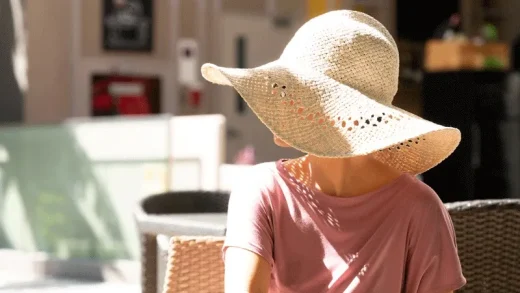
Avoiding Sun Exposure After Hair Transplant

We always need sun vitamins (such as sun vitamin D). For this, we need to be exposed to a sufficient amount of sunlight. However, this situation differs in the process after hair transplantation. You should not stay in the sun for a long time for at least 3 months after hair transplantation. This period may even be 4 months. It is beneficial not to use products such as sunscreen, conditioner, etc. until the cuts on your scalp are completely healed.

How To Avoid Sun Exposure After Hair Transplant?

During this period when the scalp is quite sensitive, you must protect your skin from the sun’s rays. The skin, which is also vulnerable to the sun in normal times, may be more vulnerable to the sun during this period. The scalp, especially the treated scalp, is more vulnerable during this period. To reach natural results in hair transplantation, you can take into account the following suggestions.

Ways to avoid sun exposure post-hair transplant:

  • Wearing a hat will protect your scalp from the sun.
  • Using high-protection sunblock will offer protection against the sun’s damaging UV rays.
  • Avoid being out in the sun for extended periods during the afternoon.

Patients usually predict that going out in the sun 30 days after a hair transplant will not cause problems. However, this is not a correct idea. You should avoid sun exposure after hair transplantation. The time you need in this is a minimum of 3 months.

When Can You Go in Sun After Hair Transplant?

We all know that we need to get vitamins from sunlight. However, this situation may vary slightly in the processes after hair transplantation. After having this procedure, you should avoid sunbathing or sun exposure in any way for at least three months. The time you need this is from 3 to 4 months. You should not go out in the sun until at least 3 months have passed since your procedure.

Beach After Hair Transplant

Especially after hair transplantation procedures are performed in the summer months, the most curious question of the patients is “Is it possible to swim in the sea after hair transplant?”. However, as we mentioned above, you should avoid sun exposure for a certain period. Sun exposure after fue hair transplant, your avoidance is a minimum of 3-4 months. That’s why the idea of going to a beach can be risky for you. However, if you go to the beach without waiting for this time to pass, we recommend not swimming there and wearing a hat to protect your scalp from the sun.

Solarium After Hair Transplant

Our recommendations regarding exposure to the sun’s rays also apply to the solarium. Do not enter the solarium for 3 months after the procedure. Do not swim in the sea or pool for 1 month after the procedure. However, avoid doing sports activities for 1 month.

You can fill out the contact form on our hair transplantation page to get more detailed information about hair transplantation prices or procedures.

Frequently Asked Questions

When can you go in the sun after a hair transplant?
After the hair transplantation operation, you can go out to the sun at any time. However, the point to be considered is to protect the treated area from direct sunlight and to provide shade with a hat that does not squeeze the head. Avoid prolonged sun exposure for 3 or 4 months.

Does hot weather affect hair transplants?
As long as you do not touch your procedure area and protect it from traumas, whether the air is hot or cold does not affect your recovery. However, it is important for your healing process that your scalp does not sweat too much. Therefore, it is more beneficial to have this process done in autumn or winter instead of very hot weather. However, as we mentioned, if you are going to protect your trading area sufficiently, you can also have this process done in the summer.

Can you sweat after hair transplant?
After hair transplantation, you need to avoid excessive sweating so that the transplanted grafts are not damaged. It is also very important that you avoid touching and pulling your hair for the first ten days after the procedure. However, exercising can cause you to sweat excessively. However, hot showers, going into the sauna, or staying outside for a long time on an extremely hot day can also cause you to sweat. After hair transplantation, we recommend that you avoid heavy work or physical activity so that you can protect your processing area from excessive sweating.

Erdem Hospital – The right choice for your health!

Contact Us
Phone number is required!
Without Country Code

Cómo evitar la exposición al sol después del trasplante de cabello

El trasplante capilar es una cirugía que requiere mucho cuidado personal para una rápida recuperación. Por otro lado, ¿es recomendable exponerse al sol inmediatamente después de un trasplante capilar? ¿Es necesario evitar la exposición al sol después del trasplante? Toda la información útil está en nuestro artículo.

¿Por qué es importante evitar la exposición al sol después del trasplante de cabello?

La zona trasplantada generalmente no puede protegerse de los rayos solares durante al menos unos meses después de la cirugía de trasplante capilar. Nuestra piel contiene cromatóforos, que la oscurecen cuando se expone demasiado al sol como forma de protección. Sin embargo, estos cromatóforos se vuelven ineficaces o mueren durante el trasplante, y tardan en sanar o regenerarse dentro de los injertos.

En el trasplante capilar, no solo se trata la capa externa de la piel. La cirugía y el exceso de luz solar penetran estos tejidos profundos, causando daños irreversibles, mientras que las capas de la epidermis también se tratan. Por esta razón, recomendamos a nuestros pacientes evitar la exposición al sol durante los 3 meses posteriores al trasplante capilar.

Exposición al sol 3 meses después del trasplante de cabello

Avoiding Sun Exposure After Hair Transplant

Siempre necesitamos vitaminas solares (como la vitamina D). Para ello, necesitamos exponernos a suficiente luz solar. Sin embargo, esta situación varía después del trasplante capilar. No debe exponerse al sol durante un tiempo prolongado durante al menos 3 meses después del trasplante capilar . Este período puede incluso ser de 4 meses. Es recomendable no usar productos como protector solar, acondicionador, etc., hasta que las heridas en el cuero cabelludo hayan cicatrizado por completo.

¿Cómo evitar la exposición al sol después del trasplante de cabello?

Durante este período, cuando el cuero cabelludo está bastante sensible, es importante proteger la piel de los rayos solares. La piel, que también es vulnerable al sol en condiciones normales, puede serlo aún más durante este período. El cuero cabelludo, especialmente el tratado, es más vulnerable durante este período. Para lograr resultados naturales en el trasplante capilar, puede tener en cuenta las siguientes sugerencias.

Formas de evitar la exposición al sol después del trasplante de cabello:

  • Usar un sombrero protegerá tu cuero cabelludo del sol.
  • El uso de bloqueador solar de alta protección ofrecerá protección contra los dañinos rayos UV del sol.
  • Evite estar al sol durante períodos prolongados durante la tarde.

Los pacientes suelen predecir que exponerse al sol 30 días después de un trasplante capilar no causará problemas. Sin embargo, esto no es correcto. Debe evitar la exposición al sol después del trasplante capilar. El tiempo necesario para esto es de al menos 3 meses.

¿Cuándo puedo exponerme al sol después de un trasplante de cabello?

Todos sabemos que necesitamos obtener vitaminas de la luz solar. Sin embargo, esta situación puede variar ligeramente en los procesos posteriores al trasplante capilar. Después de este procedimiento, debe evitar tomar el sol o exponerse al sol de cualquier forma durante al menos tres meses. El tiempo que necesita esto es de 3 a 4 meses. No debe exponerse al sol hasta que hayan transcurrido al menos 3 meses desde el procedimiento.

Playa después del trasplante de cabello

Especialmente después de los procedimientos de trasplante capilar en los meses de verano, la pregunta más curiosa de los pacientes es: “¿Es posible nadar en el mar después del trasplante capilar?”. Sin embargo, como mencionamos anteriormente, debe evitar la exposición al sol durante un período mínimo de 3 a 4 meses. Por eso, ir a la playa puede ser arriesgado. Sin embargo, si va a la playa sin esperar a que pase este tiempo, le recomendamos no nadar y usar un sombrero para protegerse el cuero cabelludo del sol.

Solárium después del trasplante capilar

Nuestras recomendaciones sobre la exposición a los rayos solares también se aplican al solárium. No entre al solárium durante 3 meses después del procedimiento. No nade en el mar ni en la piscina durante 1 mes después del procedimiento. Sin embargo, evite realizar actividades deportivas durante 1 mes.

Puede completar el formulario de contacto en nuestra página de trasplante de cabello para obtener información más detallada sobre los precios o procedimientos de trasplante de cabello.

Preguntas frecuentes

¿Cuándo se puede exponer al sol después de un trasplante capilar?
Tras la operación, se puede exponer al sol en cualquier momento. Sin embargo, es importante proteger la zona tratada de la luz solar directa y usar un sombrero que no apriete la cabeza para protegerse del sol. Evite la exposición prolongada al sol durante 3 o 4 meses.

¿El calor afecta los trasplantes capilares?
Siempre que no toque la zona a tratar y la proteja de traumatismos, el calor o el frío no afectará su recuperación. Sin embargo, es importante para la curación que el cuero cabelludo no sude demasiado. Por lo tanto, es más beneficioso realizar este procedimiento en otoño o invierno que en climas muy calurosos. No obstante, como mencionamos, si desea proteger adecuadamente la zona a tratar, también puede realizarlo en verano.

¿Se puede sudar después del trasplante capilar?
Después del trasplante capilar , es importante evitar la sudoración excesiva para no dañar los injertos trasplantados. También es muy importante evitar tocarse o jalarse el cabello durante los primeros diez días posteriores al procedimiento. Sin embargo, hacer ejercicio puede provocar sudoración excesiva. No obstante, ducharse con agua caliente, ir al sauna o permanecer mucho tiempo al aire libre en un día extremadamente caluroso también pueden provocar sudoración. Después del trasplante capilar, se recomienda evitar trabajos o actividades físicas intensas para proteger la zona tratada de la sudoración excesiva.

Hospital Erdem – ¡La elección correcta para su salud!

Contact Us
Phone number is required!
Without Country Code