Lip Reconstruction
Lip reconstruction is a specialized surgical procedure that restores both the appearance and function of the lips after congenital conditions, trauma, or tumor removal. At Erdem Hospital, reconstructive surgeons combine precision and artistry to rebuild natural-looking lips that allow for normal speech, eating, and facial expression.
Lip Reconstruction at Erdem Hospital
The lips play an essential role in facial aesthetics, communication, and daily function. Patients may require lip reconstruction for:
- Congenital conditions such as cleft lip.
- Trauma-related injuries from accidents or burns.
- Oncologic surgery after tumor excision.
At Erdem Hospital, each reconstruction is carefully tailored to the patient’s needs. Techniques may include:
- Local flap reconstruction: Using nearby tissues for seamless restoration.
- Free tissue transfer: Transplanting tissue from another body part for larger defects.
- Skin grafting: Replacing missing skin with grafts from donor areas.
- Functional restoration: Ensuring proper movement, symmetry, and oral competence.
In the U.S., lip reconstruction costs can reach $15,000–$30,000. In Istanbul, patients benefit from the same microsurgical expertise at a fraction of the cost.

What’s Included in the Lip Reconstruction Journey
Erdem Hospital ensures comprehensive, supportive care for international patients:
- VIP transfers between airport, hotel, and hospital.
- Preoperative consultation and 3D facial analysis.
- Surgery under general anesthesia in a fully equipped hospital.
- Use of advanced reconstructive techniques tailored to each patient.
- Hospital stay for monitoring and wound care.
- Scar management and postoperative therapies.
- Premium hotel stay for comfort during recovery.
- English-speaking staff and interpreters.
- Long-term follow-up to monitor function and aesthetics.
Lip Reconstruction Prices Compare
Patients choosing Turkey for lip reconstruction enjoy significant financial advantages:
- In the U.S., costs reach $15,000–$30,000. At Erdem Hospital, the procedure is available for under $7,000.
- In Europe, where prices average €12,000–€20,000, Istanbul offers savings of up to 70% even after travel costs.
This affordability, paired with advanced hospital-based care, makes Turkey a trusted destination for reconstructive lip surgery.
Lip Reconstruction Process
The surgical journey at Erdem Hospital is carefully designed for safe, functional, and aesthetic outcomes:
- Consultation and Planning: Surgeons assess the defect or deformity and plan reconstruction techniques.
- Surgery Day: Depending on complexity, local flaps, grafts, or free tissue transfers are performed.
- Hospital Recovery: Patients stay several days for monitoring, wound care, and pain management.
- Hotel Recovery: Recovery continues in a premium hotel, with guidance for scar care and functional rehabilitation.
- Results Phase: Healing progresses over weeks to months, restoring both appearance and function.

What Patients Often Say After Lip Reconstruction
Patients often describe lip reconstruction as both restorative and transformative:
- “I can smile naturally again after my accident.”
- “The symmetry of my lips was restored beautifully.”
- “I regained confidence in both speaking and social interactions.”
- “The hospital provided expert care and full support during recovery.”
These reflections highlight how lip reconstruction restores not only appearance but also quality of life.
Frequently Asked Questions
What is lip reconstruction?
It is surgery to restore the lips’ form and function after congenital conditions, trauma, or tumor removal.
Will there be scars?
Yes, but reconstructive techniques minimize scarring and blend incisions with natural lip lines.
Is the procedure painful?
No, it is performed under general anesthesia, and discomfort afterward is managed with medication.
How long is recovery?
Most patients recover within 2–3 weeks, with final results visible after several months.
Can lip reconstruction restore speech and eating functions?
Yes, functional restoration is a key part of surgery, ensuring lips work properly.
What techniques are used?
Local flaps, skin grafts, and tissue transfers are tailored to defect size and location.
How long should I stay in Turkey?
A 7–10 day stay is recommended for surgery, hospital recovery, and follow-up.
Is lip reconstruction safe?
Yes, when performed by experienced reconstructive surgeons in a hospital setting, it is considered safe.
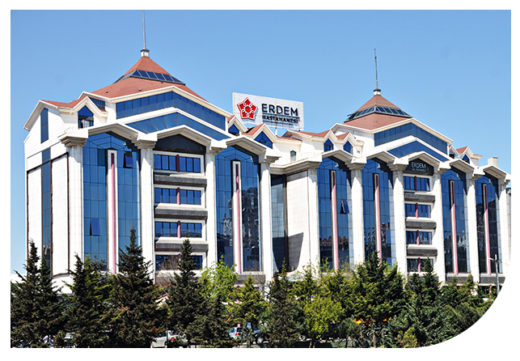
Restoring Function and Aesthetics with Lip Reconstruction Surgery
The lips are central to both appearance and daily function. They play a vital role in speaking, eating, breathing, and expressing emotion. Even the smallest change in the lips’ structure can affect the way a person communicates or smiles, impacting not only physical ability but also social interactions and emotional well-being. For patients born with congenital conditions, those who suffer trauma, or those who undergo cancer-related surgery, lip reconstruction offers a path to restoring both function and confidence.
Lip reconstruction is far more than replacing missing tissue. It is about rebuilding identity, expression, and harmony. Modern surgical techniques allow patients to regain natural appearance and oral function while reducing the emotional burden associated with visible deformities. With an individualized approach, reconstructive surgeons ensure outcomes that look natural, feel comfortable, and last long term.
Understanding Lip Reconstruction
Lip reconstruction refers to a group of surgical techniques used to restore the form and function of the lips after injury, disease, or congenital deformities. It can be performed on the upper lip, lower lip, or both, depending on the extent of the condition. The main goals are:
- Restoring aesthetic harmony, so that the lips blend naturally with surrounding facial features.
- Preserving oral competence, allowing patients to speak, eat, and swallow properly.
- Maintaining sensation and mobility, since the lips are highly sensitive and crucial for fine movements.
- Ensuring long-term durability, minimizing complications and providing stable results over time.
Because of the lips’ complex anatomy which includes skin, muscle, mucosa, and nerves, reconstruction requires a balance between surgical precision and artistic design.
Conditions That May Require Lip Reconstruction
Lip reconstruction may be needed for a variety of medical and traumatic reasons. Some of the most common include:
- Congenital cleft lip: A birth defect where the upper lip does not form completely, often requiring staged reconstruction.
- Trauma: Accidents, animal bites, or burns that damage lip tissue.
- Cancer surgery: Removal of tumors from the lip or surrounding areas can leave significant tissue loss.
- Infections or necrosis: Severe infections may destroy tissue that later requires reconstruction.
- Failed previous surgeries: Revision procedures may be needed if earlier reconstructions produced unsatisfactory results.
Each case is unique, and reconstructive surgeons develop highly personalized plans based on the size, location, and depth of tissue loss.
Surgical Techniques in Lip Reconstruction
Lip reconstruction techniques vary from simple suturing to complex microsurgical procedures, depending on the extent of the defect.
Primary Closure
For small defects, direct closure by suturing is often sufficient. The incision lines are placed along natural contours to minimize visible scarring.
Local Flaps
For moderate-sized defects, surgeons may rotate or advance nearby tissue (such as cheek or chin flaps) to recreate the lip. These techniques preserve sensation and blood supply while achieving good cosmetic outcomes.
Free Tissue Transfer
For larger or more complex defects, tissue from another part of the body can be transplanted using microsurgery. Free flaps provide both bulk and vascular supply, ensuring long-term viability.
Vermilion and Mucosal Advancement
When the inner lining of the lip is missing, mucosal flaps from the oral cavity can be advanced to recreate natural color and texture.
Muscle Reconstruction
Since the orbicularis oris muscle controls lip movement, restoring continuity of this muscle is vital for speech, eating, and facial expression.
Through these techniques, reconstructive surgeons aim to recreate lips that look natural, function well, and provide durability against future complications.
The Patient Journey
Initial Consultation
The process begins with an in-depth consultation where surgeons evaluate the defect, discuss possible treatment options, and explain expected outcomes. Medical imaging, photography, and functional assessment may be part of this stage.
Preoperative Planning
A personalized surgical plan is created based on the patient’s age, overall health, and specific goals. Surgeons also discuss potential risks, recovery expectations, and the timeline of procedures if staged surgeries are required.
Surgical Procedure
Depending on the complexity, surgery can take several hours. Surgeons meticulously reconstruct skin, muscle, and mucosa, paying attention to symmetry and natural appearance. In cancer-related cases, reconstruction may occur immediately after tumor removal.
Recovery and Aftercare
Postoperative care focuses on wound healing, scar management, and gradual restoration of function. Patients may need dietary adjustments in the early phase, followed by speech therapy or physiotherapy for muscle coordination. Long-term follow-up ensures stable and natural outcomes.
Functional and Aesthetic Benefits
Lip reconstruction provides benefits that go beyond restoring physical structure:
- Improved function: Patients regain the ability to eat, drink, and speak with ease.
- Enhanced appearance: The reconstructed lip blends seamlessly with the natural contours of the face.
- Boosted confidence: Restoring the smile and facial expressions reduces social anxiety.
- Psychological relief: Patients often experience renewed comfort in both personal and professional settings.
For children born with cleft lip, early intervention prevents future speech difficulties and social challenges. For adults recovering from trauma or cancer, the restoration of facial identity is often life-changing.
Challenges and Considerations
Lip reconstruction is highly complex due to the lips’ intricate anatomy. Potential challenges include:
- Scarring: Although minimized with careful technique, scars are inevitable. Proper placement and aftercare reduce visibility.
- Reduced sensation: While nerve repair restores some feeling, complete sensory recovery may take months or remain incomplete.
- Functional limitations: In large reconstructions, subtle movements may not fully return, though patients adapt well over time.
- Multiple stages: Some cases require more than one surgery to achieve optimal results.
Despite these challenges, advances in reconstructive techniques have significantly improved outcomes, allowing most patients to enjoy excellent cosmetic and functional recovery.
Advances in Lip Reconstruction
Recent innovations have reshaped the field of lip reconstruction. Surgeons now utilize microsurgical nerve repair, 3D imaging for surgical planning, and tissue engineering techniques to enhance precision and results. Additionally, advanced scar-reduction methods, such as fractional laser therapy and medical-grade silicone, improve aesthetic outcomes during recovery.
The future may bring bioengineered tissues that further reduce the need for donor sites, streamlining reconstruction for complex cases.
The Emotional Dimension of Reconstruction
The lips are central to human expression, communication, and identity. Damage to this area often creates not only functional difficulties but also deep emotional scars. Patients frequently describe feelings of isolation or self-consciousness before surgery. After reconstruction, they experience renewed confidence and a restored sense of self.
This psychological transformation is as significant as the surgical one. By restoring harmony to the face, lip reconstruction allows patients to embrace life with greater freedom and dignity.
Lip Reconstruction at Erdem Hospital
Lip reconstruction is more than rebuilding tissue; it restores expression, confidence, and quality of life. At Erdem Hospital, reconstructive surgeons combine advanced techniques with decades of expertise to deliver safe, natural, and lasting results. From consultation to aftercare, every step of the journey is designed with patient comfort and satisfaction in mind.