Gum Recession
Learn about our advanced gum recession treatments, where we combine periodontal expertise and modern microsurgical techniques to restore gum health, protect tooth roots, and preserve natural smiles with personalized care at Erdem Hospital.
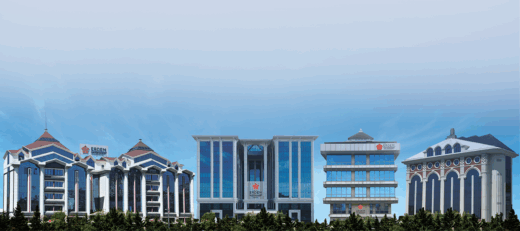
Gum Recession at Erdem Hospital
Gum recession occurs when the gum tissue surrounding the teeth pulls back, exposing the roots. It can lead to tooth sensitivity, increased risk of decay, and aesthetic concerns. Common causes include gum disease, aggressive brushing, misaligned teeth, or genetic predisposition.
At Erdem Hospital, our periodontal specialists focus on diagnosing the root cause and providing tailored treatments. From deep cleaning and laser therapy to grafting techniques, we restore gum tissue and prevent further damage. Our approach combines medical expertise with patient comfort, ensuring both health and aesthetics are restored.
What’s Included in the Gum Recession Journey
A gum recession treatment package at Erdem Hospital includes:
- Comprehensive periodontal consultation and imaging.
- Professional cleaning and root planing to remove bacteria.
- Surgical or non-surgical gum grafting procedures when needed.
- Use of advanced laser and microsurgical techniques for precision.
- Aftercare guidance and oral hygiene training.
- Follow-up visits to ensure long-term stability.
- English-speaking staff and coordinators for international patients.
This ensures patients receive a complete and supportive treatment journey.

Gum Recession Prices Compare
The financial benefits of choosing Turkey for gum recession treatment are significant:
- In the United States or Western Europe, gum grafting or periodontal surgery may cost $1,000–$3,000 per tooth. At Erdem Hospital, similar procedures start from $300–$600 per tooth.
- International patients save 50–70%, even after travel and accommodation.
Gum Recession Treatment Process
The treatment process is structured for healing and long-term protection:
- Consultation and Diagnosis: Detailed gum evaluation with imaging.
- Initial Therapy: Professional cleaning and scaling to stop progression.
- Surgical or Laser Procedure: Gum grafting or flap surgery to restore tissue coverage.
- Healing Phase: Recovery with medications and aftercare support.
- Maintenance: Regular follow-ups to ensure stability and prevent recurrence.
What Patients Often Say After Gum Recession Treatment
Patients frequently share relief and improved confidence:
- “My teeth no longer feel sensitive when I drink cold water.”
- “The gum grafting procedure was easier than I expected.”
- “My smile looks healthier, and I feel more confident.”
These reflections show that gum recession treatment restores not only gum health but also patient comfort and appearance.
Frequently Asked Questions
- What causes gum recession?
Common causes include gum disease, aggressive brushing, trauma, or genetic factors. - Can gum recession be reversed naturally?
No, once gums recede, they require professional treatment to restore tissue. - Is gum grafting painful?
No, it is performed under local anesthesia, and discomfort is minimal. - How long is recovery after gum recession treatment?
Mild cases heal in 1–2 weeks, while grafting may require several weeks. - Can untreated gum recession cause tooth loss?
Yes, severe gum recession can lead to loose teeth and eventual tooth loss. - Are gum grafts permanent?
With proper care, gum grafts provide long-lasting results. - How can I prevent a gum recession?
Gentle brushing, flossing, regular check-ups, and treating gum disease early. - Is laser treatment effective for gum recession?
Yes, lasers can be used in some cases to reshape and regenerate tissue. - Can children or teens have gum recession?
Yes, though less common, it can occur due to orthodontic or trauma-related factors. - How successful are gum recession treatments at Erdem Hospital?
With modern techniques and professional care, success and satisfaction rates are very high.
Gum Recession Treatment
Why Gum Health Is Essential
Gums are more than the soft tissue surrounding our teeth; they form the protective foundation that keeps teeth stable, supports jawbone health, and frames the aesthetics of a smile. When gums begin to recede, they expose tooth roots, increasing the risk of sensitivity, decay, and eventual tooth loss. Beyond functional problems, gum recession also affects appearance, leading many individuals to feel self-conscious about their smiles.
At Erdem Hospital, gum recession treatment combines advanced periodontal expertise with patient-centered care. Our goal is not only to restore gum health but also to ensure that patients leave with renewed confidence. With more than 37 years of dental experience, our team blends surgical skill, modern technology, and preventive strategies to create lasting solutions.
Understanding Gum Recession
Gum recession occurs when the gum tissue surrounding the teeth pulls back, exposing more of the tooth surface or even the root. This process can happen gradually, often going unnoticed until sensitivity or cosmetic concerns become apparent. Gum recession is not merely a cosmetic issue it is a clinical sign that oral health may be compromised.
Key symptoms of gum recession include:
- Tooth sensitivity to hot, cold, or sweet foods
- Visibly longer teeth or uneven gum lines
- Exposed roots that appear darker than enamel
- Swelling, inflammation, or discomfort around the gums
- Aesthetic concerns that affect self-esteem
If left untreated, gum recession can progress to more severe periodontal disease, bone loss, and tooth mobility.
Causes of Gum Recession
Several factors contribute to gum recession, many of which are preventable with proper care:
- Periodontal Disease: The most common cause, where bacterial infections damage the gum tissue and supporting bone.
- Aggressive Brushing: Using excessive force or hard-bristled toothbrushes can wear down gum tissue.
- Genetics: Some individuals are naturally more predisposed to gum issues.
- Hormonal Changes: Fluctuations during pregnancy, puberty, or menopause can increase gum sensitivity.
- Tobacco Use: Smoking or chewing tobacco reduces blood flow, impairing gum health.
- Poor Oral Hygiene: Inconsistent brushing and flossing lead to plaque buildup and gum irritation.
- Teeth Grinding and Clenching: Excessive pressure on teeth can strain gum tissue.
- Misaligned Bite or Crooked Teeth: Uneven forces on gums and teeth can contribute to recession.
Identifying the underlying cause is essential for successful treatment and long-term stability.
The Importance of Early Diagnosis
Many patients delay seeking help for gum recession because the symptoms seem minor at first. However, early diagnosis is crucial. At Erdem Hospital, periodontal specialists conduct thorough examinations that include:
- Assessing gum pocket depths
- Measuring attachment loss around teeth
- Evaluating tooth alignment and bite patterns
- Using imaging tools to analyze supporting bone health
By detecting gum recession early, patients benefit from minimally invasive treatments and avoid more complex procedures later.
Treatment Options for Gum Recession
Gum recession treatments vary depending on severity and cause. At Erdem Hospital, every treatment plan is tailored to the individual, ensuring effective and lasting results.
Non-Surgical Treatments
In mild cases, non-surgical methods may be sufficient:
- Scaling and Root Planing: A deep cleaning procedure that removes plaque and tartar from below the gum line, allowing gums to heal and reattach.
- Desensitizing Agents: Used to reduce discomfort from exposed roots.
- Composite Bonding: Applying tooth-colored resin to cover exposed roots and improve appearance.
- Orthodontic Adjustments: Correcting misalignment to reduce pressure on gums.
Surgical Treatments
For more advanced gum recession, surgical intervention may be necessary:
- Gum Grafting: Tissue is taken from another part of the mouth or a donor source and grafted onto areas with recession. This restores gum coverage, reduces sensitivity, and protects roots.
- Pinhole Surgical Technique (PST): A minimally invasive method where small openings are made to reposition gum tissue without traditional sutures.
- Regenerative Procedures: Bone and tissue-stimulating proteins may be applied to encourage natural regeneration of gum and bone structures.
- Flap Surgery: Performed to clean deeper infected areas and reposition gum tissue securely around the teeth.
Laser-Assisted Therapy
At Erdem Hospital, advanced laser technology is used to perform precise and less invasive periodontal procedures. Lasers help sterilize infected areas, remove diseased tissue, and stimulate healing with minimal discomfort and faster recovery times compared to traditional methods.
Preventing Future Gum Recession
Successful treatment of gum recession must be accompanied by preventive strategies to ensure long-term health. Patients are guided through:
- Proper Brushing Techniques: Using soft-bristled brushes and gentle strokes.
- Daily Flossing: Preventing plaque accumulation between teeth.
- Lifestyle Modifications: Quitting tobacco and managing stress to improve gum resilience.
- Regular Dental Visits: Professional cleanings and monitoring to detect early signs of recurrence.
- Mouthguards for Grinding: Protecting teeth and gums from excessive pressure caused by bruxism.
Education is at the heart of prevention. At Erdem Hospital, patients receive personalized guidance to help them take control of their gum health.
The Emotional and Aesthetic Impact
Gum recession affects more than oral function; it can significantly influence how a person feels about their smile. Exposed roots and uneven gum lines often make teeth appear longer, creating an aged look. Patients may feel embarrassed, avoid smiling, or lose confidence in social and professional settings.
Treating gum recession restores not only health but also aesthetics. A balanced gum line enhances the harmony of the smile, while healthy gums project vitality and confidence. Patients who undergo treatment frequently report improved self-esteem and a renewed willingness to engage socially.
Gum Recession and Overall Health
Research has highlighted connections between periodontal health and systemic wellbeing. Untreated gum recession and gum disease can increase inflammation in the body, contributing to conditions such as:
- Cardiovascular disease
- Diabetes complications
- Respiratory infections
- Adverse pregnancy outcomes
By addressing gum recession, patients not only protect their oral health but also support their overall health.
A Legacy of Periodontal Excellence
With over 37 years of expertise, Erdem Hospital has become a trusted destination for advanced periodontal care. Our gum recession treatment program integrates surgical expertise, state-of-the-art laser technology, and preventive education. The periodontal team is committed to restoring health, comfort, and confidence for every patient.
What sets this approach apart is the balance of clinical excellence with compassionate care. From the initial consultation to long-term follow-up, every step is designed to make patients feel safe, informed, and supported.
Investing in Long-Term Gum Health
Gum recession should never be ignored. While the condition can be concerning, modern periodontal treatments offer effective solutions that restore both function and aesthetics. With the right care, patients can protect their teeth, reduce sensitivity, and enjoy the confidence of a youthful, healthy smile.
At Erdem Hospital, gum recession treatment is not just about repairing tissue it is about rebuilding the foundation of oral health and empowering patients to live and smile with confidence for years to come.