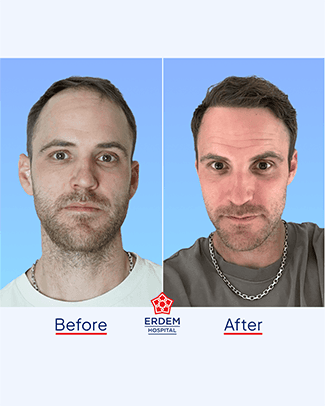
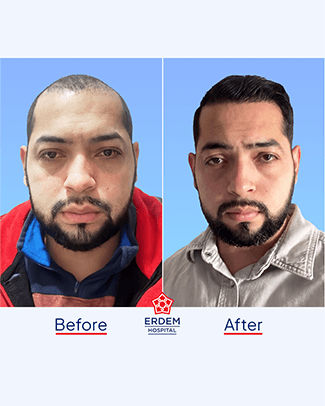
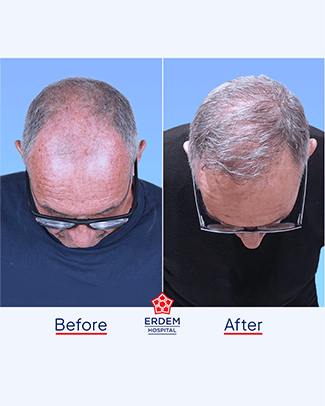
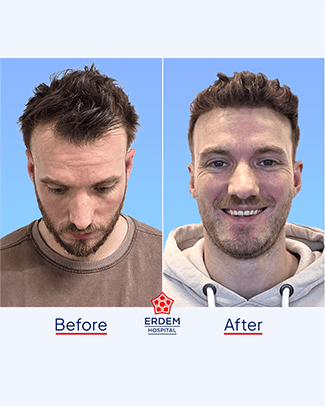
What Is DHI Hair Transplant?
The DHI hair transplant, also known as Direct Hair Implantation, is a sophisticated method for hair restoration that utilizes a specialized pen-like instrument. This technique allows for the precise extraction of individual hair follicles from a donor area, typically the back of the head, and their immediate implantation into the recipient area with thinning or balding hair. Unlike traditional FUE (Follicular Unit Extraction), the DHI method aims to minimise the time hair follicles are outside the body, potentially enhancing their viability.
The core principle of DHI Hair Transplant is its direct implantation technique. The Choi Implanter Pen, a unique tool, is used to both create the incision site and implant the follicle simultaneously. This controlled approach allows for precise depth, angle, and direction of hair growth, aiming for a natural-looking result. The procedure is performed under local anaesthesia and is generally considered minimally invasive.
For those considering DHI Hair Transplant in Turkey, it's important to understand that the success of the procedure depends on several factors, including the skill of the surgeon and the quality of the donor hair. While the DHI technique offers advanced precision, a thorough consultation with a qualified medical professional is essential to determine individual candidacy and manage expectations regarding the outcome.
Who Is a Good Candidate?
The Direct Hair Implantation (DHI) technique is a highly effective method for addressing hair loss, making it a suitable option for many individuals seeking a natural-looking and permanent hair restoration solution. Generally, a good candidate for DHI hair transplantation is someone experiencing androgenetic alopecia (male or female pattern baldness) and who has a sufficient supply of healthy donor hair, typically from the back or sides of the scalp, to transplant to thinning or balding areas.
Ideal candidates are typically in good general health, without underlying medical conditions that could impair healing or increase surgical risks. Patients should have realistic expectations about the outcomes of the procedure. The DHI method involves extracting individual hair follicles using a specialized tool and implanting them directly into the recipient area, allowing for precise control over the depth, angle, and direction of each graft. This technique is particularly beneficial for achieving a natural hairline and a high hair density. A thorough consultation with a qualified medical professional is essential to determine individual suitability.
DHI Hair Transplant Procedure
The Direct Hair Implantation (DHI) method is a highly refined technique for hair transplantation, often considered a variation of Follicular Unit Extraction (FUE). It involves using a specialized tool, known as a Choi implanter pen, to simultaneously create the incision site and implant the hair follicle directly into the scalp. This method allows for precise control over the depth, angle, and direction of each graft, aiming for a natural-looking hairline and density.
DHI hair transplantation is generally suitable for individuals experiencing hair loss who have a sufficient donor area on their scalp. A thorough consultation with a specialist is crucial to determine candidacy, as factors such as hair type, density, the extent of hair loss, and overall scalp health are assessed. While the procedure offers enhanced precision, it's important to have realistic expectations regarding the outcome, which can vary based on individual physiological factors.
Compared to traditional FUE, DHI offers potential advantages such as reduced trauma to the scalp, faster healing times, and a slightly more controlled implantation process. However, the choice between DHI and standard FUE often depends on the surgeon's expertise and the specific needs of the patient. Both techniques aim to provide effective hair restoration solutions.
DHI vs FUE Hair Transplant
The choice between DHI (Direct Hair Implantation) and FUE (Follicular Unit Extraction) hair transplantation depends on individual needs and preferences, as both are effective methods for hair restoration. DHI hair transplant involves using a specialized tool, the implanter pen, to directly implant hair follicles into the scalp, offering precise control over depth, angle, and direction of each graft. This technique can potentially lead to a more natural-looking result and a denser appearance.
FUE hair transplant, on the other hand, is a widely used technique where individual hair follicles are harvested from a donor area (typically the back of the head) and then implanted into the balding areas. While FUE also provides natural results, the implantation process might involve creating small incisions or slits first, into which the follicles are then placed. Both methods aim for minimal scarring and a natural aesthetic, but DHI's direct implantation feature is often highlighted for its precision.
When considering DHI hair transplant in Turkey, it's important to consult with experienced professionals who can assess your specific hair loss pattern, donor area quality, and aesthetic goals to recommend the most suitable technique. Both DHI and FUE require a period of recovery, and the final results become apparent over several months as the transplanted hairs grow.
DHI Hair Transplant Recovery
The recovery period following a DHI hair transplant is generally straightforward, with most patients returning to normal activities within a few days. Immediately after the procedure, the treated area may appear slightly red and swollen, and small scabs will form around the transplanted follicles. These scabs typically shed within 7-10 days. While the transplanted hairs may fall out within the first few weeks, this is a normal part of the process, and new growth usually begins to appear within 3-4 months.
During the initial recovery, it's crucial to follow post-operative instructions carefully to ensure optimal results and minimise the risk of complications. This includes avoiding strenuous physical activity, direct sun exposure to the scalp, and certain hair products. Sleeping in a slightly elevated position can also help reduce swelling. Most patients can expect to see significant, natural-looking results within 12-18 months. The longevity of the DHI hair transplant results is generally considered permanent, as the transplanted follicles are taken from areas resistant to balding.
DHI Hair Transplant Cost
The cost of DHI hair transplantation can vary significantly depending on several factors, including the number of grafts required, the experience of the clinic and surgeon, and the geographical location. While it's not possible to provide an exact figure without a personalised assessment, understanding these influencing elements can help you anticipate the investment.
The DHI Hair Transplant procedure, known for its precision in graft placement using a specialized pen device, often represents a premium option in hair restoration. The complexity and meticulous nature of this technique contribute to its overall cost. Factors such as the extent of hair loss, the donor area's availability, and the desired density all play a crucial role in determining the number of grafts needed, which directly impacts the final price.
For individuals considering DHI Hair Transplant in Turkey, costs can be notably competitive compared to many Western countries. Turkey has emerged as a popular destination for medical tourism, offering high-quality procedures at more accessible price points. However, it is essential to research clinics thoroughly, looking beyond just the price to ensure they adhere to international standards of safety and efficacy. Always consider the surgeon's qualifications, the clinic's accreditation, and patient testimonials to make an informed decision about your hair restoration journey.
DHI Hair Transplant in Turkey
The DHI (Direct Hair Implantation) hair transplant is a minimally invasive procedure that uses a pen-like instrument to implant hair follicles directly into the balding or thinning areas of the scalp. This method is renowned for its precision and the natural-looking results it can achieve. In Turkey, DHI hair transplantation is a popular choice for individuals seeking effective hair restoration.
The DHI hair transplant procedure involves extracting healthy hair follicles from a donor area, typically the back of the head, and then implanting them one by one into the recipient area. The specialized DHI implanter tool allows for precise control over the depth, angle, and direction of each follicle, which is crucial for creating a natural hairline and density. This technique aims to minimise trauma to the scalp and promote faster healing.
When considering DHI hair transplant in Turkey, it's important to consult with experienced specialists. The procedure is generally suitable for individuals experiencing hair loss due to androgenetic alopecia (pattern baldness) or other forms of thinning. A thorough consultation will assess your hair loss pattern, donor area density, and overall health to determine candidacy and the expected outcome. The recovery period is typically shorter compared to some other methods, with most patients able to return to normal activities within a few days, although full results take several months to become apparent as new hair grows.