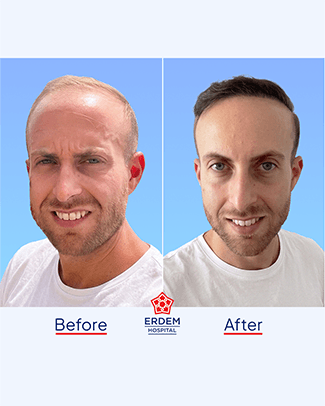
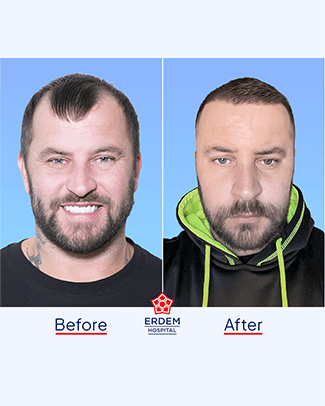
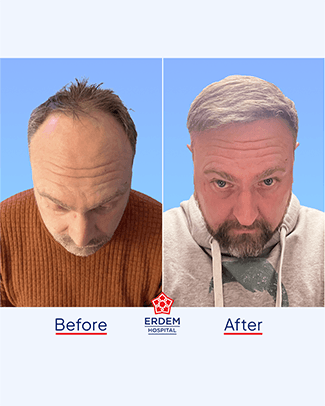
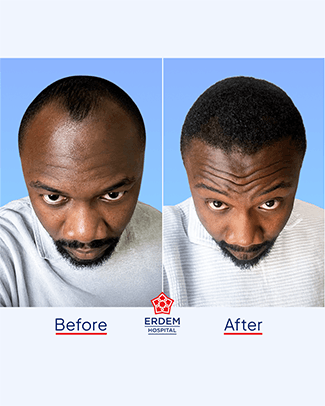
What Is FUE Hair Transplant?
FUE hair transplant, or Follicular Unit Extraction, is a sophisticated surgical technique for hair restoration. It involves harvesting individual hair follicles from a donor area, typically the back or sides of the scalp, and transplanting them to areas experiencing hair thinning or baldness. This method is favoured for its minimally invasive nature and the natural-looking results it can achieve.
The FUE procedure is well-suited for individuals experiencing androgenetic alopecia (male or female pattern baldness) who desire a permanent solution to hair loss. Candidates should have sufficient healthy donor hair to transplant. A thorough consultation with a specialist is crucial to determine individual suitability, assess the extent of hair loss, and discuss realistic outcomes. The process involves using micro-punches to extract follicular units, which are then carefully placed into tiny recipient sites created in the balding areas, ensuring optimal density and natural hair direction.
Who Is a Good Candidate?
The FUE hair transplant is a highly effective procedure for individuals experiencing hair loss, particularly those seeking a natural-looking and minimally invasive solution. Generally, a good candidate for FUE hair transplant is someone with sufficient donor hair density in the scalp's permanent zone, typically the back and sides of the head. This ensures enough follicles are available to transplant to thinning or balding areas. The ideal candidate also possesses realistic expectations about the outcomes and understands that hair transplantation is a surgical procedure with a recovery period.
Furthermore, individuals who have experienced hair loss due to genetic factors (androgenetic alopecia), as well as some types of scarring or traction alopecia, are often suitable. Those who have undergone previous hair restoration procedures may also be candidates, provided their donor area has not been compromised. A thorough consultation with a qualified medical professional is crucial to assess individual suitability, considering factors like hair type, scalp condition, medical history, and the extent of hair loss to determine if FUE Hair Transplant is the appropriate treatment path.
FUE Hair Transplant Procedure
FUE (Follicular Unit Extraction) hair transplantation is a minimally invasive surgical technique used to address hair loss by transplanting individual hair follicles from a donor area, typically the back or sides of the scalp, to thinning or balding areas. This method is favoured for its ability to produce natural-looking results, as follicles are harvested and implanted in their natural groupings. The procedure involves creating tiny extraction sites for each follicular unit, minimising scarring and allowing for a quicker recovery compared to older methods.
The FUE hair transplant procedure is generally suitable for individuals experiencing androgenetic alopecia (hereditary hair loss) who have a sufficient supply of healthy donor hair. A thorough consultation with a specialist is crucial to determine candidacy, assess the extent of hair loss, and plan the optimal number of grafts. While the technique is highly effective, the success of the procedure also depends on factors such as the patient's hair type, skin condition, and adherence to post-operative care instructions. Erdem Hospital, as a multidisciplinary hospital in Istanbul, offers comprehensive hair restoration services, including FUE transplantation, performed by experienced medical professionals.
FUE vs DHI Hair Transplant
The choice between Follicular Unit Extraction (FUE) and Direct Hair Implantation (DHI) depends on individual needs and desired outcomes, with both methods offering effective solutions for hair restoration. FUE hair transplant involves extracting individual hair follicles from a donor area and transplanting them to the thinning or bald areas. This technique is known for its minimally invasive nature, leaving tiny, almost imperceptible scars.
DHI, a variation of FUE, uses a special tool called a Choi pen to implant the extracted follicles directly into the scalp. This method allows for precise control over the depth, angle, and direction of each graft, potentially leading to a more natural-looking result and a slightly faster implantation process. While both procedures are highly regarded, the optimal choice is determined by a thorough consultation with a specialist who can assess your hair loss pattern, donor density, and aesthetic goals. FUE hair transplant in Turkey is a popular choice for international patients seeking advanced hair restoration procedures.
FUE Hair Transplant Recovery
The recovery period following an FUE hair transplant is a crucial phase that requires careful attention to ensure optimal results. While the procedure itself is minimally invasive, the initial days and weeks are vital for healing and graft survival. Most patients can expect to see initial signs of healing within the first week, with significant improvement noticeable over the following weeks.
During the first few days post-procedure, it's common to experience some mild swelling, redness, and minor discomfort in the treated and donor areas. Patients are typically advised to avoid strenuous activities, direct sunlight, and touching the transplanted area to prevent dislodging the grafts. Gentle washing of the scalp, as instructed by the medical team, usually begins after a couple of days. By the end of the first week, scabs may start to form and then fall off, which is a normal part of the healing process. The transplanted hairs may also shed during this period, which is also expected and does not indicate treatment failure. The true growth phase begins several months later, with noticeable and permanent results typically achieved within 12 to 18 months.
Factors influencing the FUE hair transplant recovery timeline include the number of grafts transplanted, the individual's healing capacity, and adherence to post-operative care instructions. While the initial recovery is relatively quick, allowing a return to most normal activities within a week or two, the final aesthetic outcome is a gradual process. Patience and consistent follow-up care are key to achieving the desired results from your FUE Hair Transplant in Turkey.
FUE Hair Transplant Cost
The cost of an FUE hair transplant can vary significantly, influenced by several key clinical and logistical factors rather than a fixed price. Understanding these elements is crucial for patients considering this procedure.
Several factors determine the overall expense of an FUE hair transplant. The number of grafts required is a primary cost driver; more extensive hair loss necessitates more grafts, increasing the procedure's duration and complexity. The donor area's density and quality also play a role, as they dictate how many grafts can be safely harvested. The experience and reputation of the surgical team, as well as the clinic's location and facilities, contribute to the pricing structure. Advanced techniques or specialized equipment used during the procedure can also influence the cost.
It is important for potential patients to have a thorough consultation to receive a personalised assessment and an accurate cost estimate. This evaluation will consider the individual's specific hair loss pattern, desired outcome, and the overall health of the scalp and donor area. Erdem Hospital, as a multidisciplinary hospital in Istanbul, offers comprehensive evaluations to determine the most suitable treatment plan and associated costs for each patient.
FUE Hair Transplant in Turkey
FUE (Follicular Unit Extraction) hair transplantation is a minimally invasive procedure used to address hair loss by transplanting individual hair follicles from a donor area to a thinning or bald area of the scalp. This technique is highly sought after internationally, particularly in Turkey, due to its effectiveness and the advanced techniques employed by experienced practitioners.
The FUE method involves harvesting follicular units, which naturally contain one to four hairs, directly from the donor site, typically the back or sides of the head, using a micro-surgical instrument. These units are then carefully transplanted into the recipient area using fine needles or blades, creating small incisions at precise angles and depths to ensure a natural-looking result. This meticulous approach minimises scarring and allows for a quicker recovery compared to older methods. While the procedure itself is well-established, the outcome is significantly influenced by the skill of the surgeon and the patient's individual hair characteristics and healing process.