Ear Reconstruction
Ear reconstruction is a highly specialized surgical procedure that restores the natural appearance and function of the ear after congenital deformities, trauma, or tumor removal. At Erdem Hospital, reconstructive surgeons use advanced techniques to create ears that look natural and harmonious, ensuring both cosmetic and functional improvement.
Ear Reconstruction at Erdem Hospital
The ear plays an important role in facial balance, self-image, and hearing. Patients may require ear reconstruction for:
- Congenital conditions such as microtia (underdeveloped ear).
- Trauma-related injuries from accidents, burns, or lacerations.
- Oncologic surgery where part of the ear was removed to treat skin cancer.
At Erdem Hospital, reconstructive surgeons design personalized plans using techniques such as:
- Autologous rib cartilage grafting: Sculpting the patient’s own cartilage into a new ear framework.
- Medpor (porous polyethylene) implants: Biocompatible implants shaped into a natural ear.
- Skin grafting or flap reconstruction: Restoring skin coverage with minimal visible scarring.
In the U.S., ear reconstruction costs $20,000–$40,000. Patients traveling to Istanbul receive the same expert microsurgical care at a fraction of the cost.

What’s Included in the Ear Reconstruction Journey
Erdem Hospital provides comprehensive, supportive care for international patients:
- VIP transfers between airport, hotel, and hospital.
- Preoperative consultation and 3D ear analysis.
- Choice of rib cartilage grafting or implant-based reconstruction.
- General anesthesia in a fully equipped hospital.
- Postoperative hospital stay for monitoring and wound care.
- Scar management and long-term follow-up.
- Premium hotel accommodation for comfortable recovery.
- English-speaking staff and interpreters.
- Rehabilitation support for patients requiring hearing improvement.
Ear Reconstruction Prices Compare
Patients choosing Turkey for ear reconstruction enjoy significant financial benefits:
- In the U.S., ear reconstruction costs $20,000–$40,000. At Erdem Hospital, the procedure is available for under $10,000.
- In Europe, prices range from €15,000–€25,000, while Istanbul offers savings of up to 70% even after travel expenses.
This affordability, paired with advanced surgical expertise, makes Turkey a leading destination for reconstructive ear surgery.

Ear Reconstruction Process
The surgical journey at Erdem Hospital is carefully structured for safe, natural results:
- Consultation and Planning: Surgeons analyze the defect or deformity and create a custom reconstruction plan.
- Surgery Day: The ear framework is created using rib cartilage or an implant, then covered with skin grafts or flaps.
- Hospital Recovery: Patients stay several days for monitoring, pain management, and wound care.
- Hotel Recovery: Recovery continues in a premium hotel, with instructions for dressing changes and scar care.
- Results Phase: Final outcomes appear gradually over weeks to months as swelling subsides and tissues heal.
What Patients Often Say After Ear Reconstruction
Patients often describe ear reconstruction as life-changing:
- “I finally feel confident wearing my hair up.”
- “The reconstructed ear looks so natural most people can’t tell the difference.”
- “It gave me back my self-esteem after an accident.”
- “The hospital supported me through every step, from consultation to recovery.”
These reflections highlight how ear reconstruction restores both appearance and confidence.
Frequently Asked Questions
What is ear reconstruction?
It is surgery to restore or rebuild the ear’s appearance and function after congenital deformities, trauma, or tumor removal.
Is ear reconstruction painful?
The procedure is performed under general anesthesia, and postoperative discomfort is managed with medication.
Will there be scars?
Yes, but advanced surgical techniques ensure scars are discreet and fade with time.
How long is recovery?
Most patients recover within 2–3 weeks, with final results visible after several months.
Can children undergo ear reconstruction?
Yes, children with congenital conditions like microtia are often candidates once they reach an appropriate age for surgery.
Which is better: rib cartilage or implants?
Both methods have advantages. Rib cartilage is natural and durable, while implants allow shorter surgeries and less scarring.
How long should I stay in Turkey?
A 7–10 day stay is recommended for surgery, hospital care, and initial recovery.
Is ear reconstruction safe?
Yes, when performed by experienced reconstructive surgeons in a hospital setting, it is safe and effective.
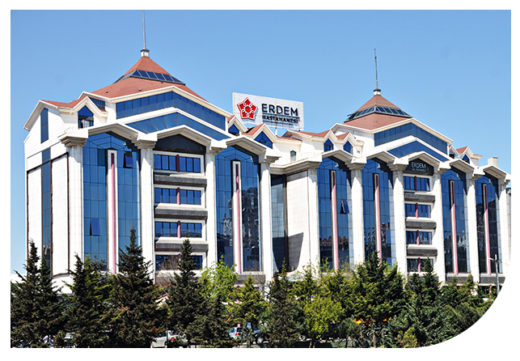
Restoring Identity and Confidence with Ear Reconstruction Surgery
The human ear, though small in size, plays a vital role in both function and appearance. Its structure contributes not only to hearing but also to balance, symmetry, and identity. When the natural shape of the ear is disrupted whether due to congenital conditions, trauma, or previous surgeries it can have profound effects on a person’s self-confidence and daily life. Ear reconstruction is more than a surgical procedure; it represents the restoration of harmony, individuality, and emotional well-being.
At Erdem Hospital, reconstructive surgeons combine advanced techniques with decades of expertise to provide results that are both natural and enduring. Each stage of treatment, from consultation to recovery, is carefully tailored to ensure patient safety, comfort, and satisfaction.
Understanding Ear Reconstruction
Ear reconstruction refers to surgical procedures that rebuild the external ear, also known as the auricle or pinna. It can be performed for patients born with absent or malformed ears (a condition called microtia) or for those who lose part of the ear due to trauma, burns, cancer removal, or accidents.
The surgery aims to restore the natural contour and proportion of the ear so that it blends seamlessly with the face. In many cases, reconstructive surgery also helps restore the psychological sense of wholeness, giving patients the confidence to interact socially without the feeling of being judged or different.
Conditions That May Require Ear Reconstruction
Several medical or traumatic conditions lead patients to seek ear reconstruction:
- Microtia: A congenital deformity where the ear is underdeveloped or absent. It can affect one or both ears.
- Trauma: Accidents, sports injuries, or workplace incidents can damage ear tissue.
- Burn injuries: Severe burns may deform or destroy parts of the ear’s cartilage and skin.
- Tumor removal: Skin cancers of the ear sometimes require excision of tissue, leaving a defect that reconstruction addresses.
- Failed surgeries: Some patients require revision procedures after unsatisfactory outcomes from previous operations.
Each of these conditions has unique challenges, and surgeons must adapt techniques based on the extent of damage, available tissue, and patient expectations.
Surgical Techniques in Ear Reconstruction
Ear reconstruction is among the most intricate procedures in plastic and reconstructive surgery. It demands both technical precision and an artistic eye. Techniques vary depending on the patient’s needs:
Autologous Ear Reconstruction
This gold-standard method uses the patient’s own rib cartilage, sculpted into the shape of a natural ear. The framework is then placed under the skin in the ear region. Since it uses the patient’s own tissue, the results are durable and biologically integrated.
Medpor (Synthetic Implant) Technique
A biocompatible synthetic framework, known as Medpor, can be used as an alternative to rib cartilage. This option shortens surgery time and avoids the need for chest incisions, but it requires careful handling to minimize complications.
Trauma and Partial Ear Reconstruction
For patients who lose part of the ear, local tissue flaps or cartilage grafts can rebuild the missing section. The goal is to match the reconstructed area with the opposite ear for symmetry.
Combined Approaches
Sometimes, a combination of autologous cartilage, synthetic frameworks, and skin grafts is used, especially in complex cases. The final plan depends on the patient’s anatomy, age, and long-term goals.
The Patient Journey
1. Consultation and Evaluation
The process begins with an in-depth consultation. Surgeons assess the condition, discuss options, and take into account both medical safety and cosmetic goals. For children with microtia, timing is crucial; most reconstructions are recommended between the ages of 6 and 10, when the ear is near adult size but the rib cartilage is still pliable.
2. Surgical Planning
Detailed preoperative planning includes medical imaging, cartilage harvesting strategies, and artistic design to match the opposite ear. Patients and families are fully informed about the stages, expected outcomes, and possible risks.
3. Surgical Procedure
Depending on the chosen technique, surgery may be performed in stages. For rib cartilage reconstruction, surgeons harvest cartilage from the chest, carve it into a framework, and implant it under the skin. For implant-based reconstruction, a Medpor framework is inserted and covered with tissue flaps and skin grafts.
4. Recovery and Aftercare
Recovery involves careful monitoring of healing, wound care, and scar management. Patients are advised to avoid trauma to the reconstructed ear during the early healing phase. Long-term follow-up ensures that the reconstructed ear maintains both function and aesthetics.
Benefits of Ear Reconstruction
The impact of ear reconstruction extends far beyond physical appearance.
- Restored symmetry and balance: The new ear improves facial harmony and provides a natural look.
- Boosted self-confidence: Patients often report greater comfort in social settings, at school, or in the workplace.
- Functional advantages: In some cases, ear reconstruction improves the ability to wear glasses, hearing aids, or face masks comfortably.
- Psychological well-being: Especially in children, reconstructive surgery can prevent bullying and long-term self-esteem issues.
Challenges and Considerations
As with any complex surgery, ear reconstruction carries challenges that require careful planning. Risks include infection, scarring, cartilage resorption, or implant exposure. However, with skilled surgeons and modern microsurgical techniques, success rates are high and complications are minimized.
Patient expectations are another important factor. Surgeons must ensure that patients and families understand the achievable outcomes. The reconstructed ear may not be identical to a natural ear but will provide remarkable improvement in symmetry, proportion, and overall appearance.
The Role of Rehabilitation
Healing after ear reconstruction does not stop at the operating table. Rehabilitation and psychological support are key components of recovery. Scar care, skin conditioning, and long-term follow-up ensure optimal results. For children, support from family and healthcare professionals helps them adapt confidently to their new appearance.
Advances in Ear Reconstruction
Modern medicine continues to push boundaries in this field. Three-dimensional imaging and custom-designed frameworks allow for more precise and individualized results. Tissue engineering and regenerative medicine hold promise for future solutions where lab-grown cartilage may one day replace rib graft harvesting.
These advances underline the importance of specialized centers where research, technology, and surgical artistry converge to deliver the highest standards of care.
Ear Reconstruction at Erdem Hospital
Ear reconstruction is a journey that blends science, artistry, and compassion. It is more than rebuilding anatomy; it restores harmony, identity, and confidence. At Erdem Hospital, reconstructive surgeons combine decades of surgical expertise with advanced techniques to deliver natural, lasting results. Every stage, from initial consultation to full recovery, is guided by patient safety, comfort, and satisfaction. By focusing on both functional and emotional outcomes, the hospital empowers patients to embrace life with renewed confidence.