Dental Bridge
Discover how our advanced dental bridge treatments restore both function and aesthetics. At Erdem Hospital, we combine modern dentistry techniques with expert care to help patients regain their smile, confidence, and oral health in a comfortable and supportive environment.

Dental Bridge at Erdem Hospital
Missing teeth can affect much more than appearance; they influence how you chew, speak, and even how your jaw aligns. Over time, gaps in the dental arch can also lead to shifting teeth and bone loss. A dental bridge provides a reliable and long-lasting solution by replacing one or more missing teeth with artificial crowns anchored to natural teeth or implants.
While bridges are essential for both function and aesthetics, the cost in countries like the United States or Western Europe can be discouraging. Many patients now choose Turkey and particularly Erdem Hospital in Istanbul where they can receive high-quality dental bridge treatments at significantly more affordable prices.
What’s Included in the Dental Bridge Journey
A complete dental bridge package at Erdem Hospital often includes:
- VIP transfers between airport, hotel, and hospital.
- Accommodation in premium hotels for patient comfort.
- Detailed consultation and oral examination with digital imaging.
- Preparation of supporting teeth or implants.
- High-quality dental bridge fabrication using advanced materials.
- Fitting, adjustments, and final placement.
- Aftercare instructions and long-term maintenance advice.
- English-speaking staff and interpreters for seamless communication.
This “all-in-one” approach makes Erdem Hospital a trusted international destination for restorative dentistry.

Dental Bridge Prices Compare
Patients benefit not only from expert care but also from significant savings:
| Region | Average Price (per bridge) | Price at Erdem Hospital |
| USA | $3,000–$5,000 | from $900 |
| Europe (London, Berlin, Paris) | $2,000–$4,000 | from $900 |
| Turkey (Erdem Hospital) | from $900 |
Even after including travel costs, patients often save up to 70% while enjoying comprehensive care and support.
Dental Bridge Process
The journey from consultation to final placement is smooth, carefully managed, and tailored to individual needs.
Consultation and Planning
A full examination, dental impressions, and digital scans are taken to design a personalized bridge solution.
Preparation and Fabrication
Supporting teeth are prepared, or implants are placed if required. A temporary bridge may be fitted while the permanent one is created.
Bridge Placement
The custom bridge is carefully adjusted and fixed, ensuring a natural look and a comfortable bite.
Adaptation Phase
Patients may feel mild sensitivity at first. Within days, the new bridge feels and functions like natural teeth.
Continued Care
We provide long-term support, hygiene instructions, and remote consultations to maintain results.
Types of Dental Bridges
Traditional Bridge
Supported by crowns on natural teeth, this is the most common type and ensures stability.
Implant-Supported Bridge
Placed over dental implants, this option is ideal when multiple teeth are missing and natural support is insufficient.
Cantilever Bridge
Used when only one adjacent tooth is available to support the bridge.
Maryland Bridge
A minimally invasive option that uses a metal or ceramic framework bonded to existing teeth.
What Patients Often Say After Their Dental Bridge
Patients often express relief at how natural their new teeth look and how quickly they adapt to eating and speaking again. Many international visitors also highlight how easy the journey was with the hospital’s full support.
Common reflections include:
- “The entire trip was organized for me, from transfers to accommodation.”
- “I was worried about how natural it would look, but my bridge blends perfectly with my other teeth.”
- “I expected discomfort, but the recovery was fast and easier than I thought.”
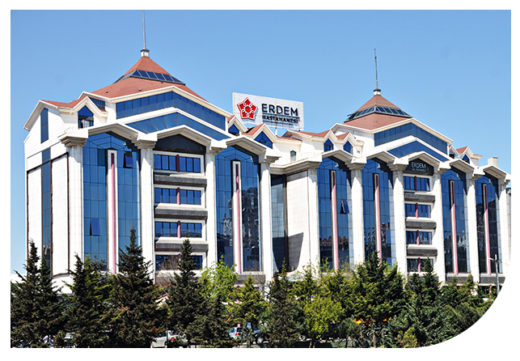
Frequently Asked Questions
- How long does a dental bridge last?
A well-made dental bridge can last 10–15 years or longer with proper care. The longevity depends on oral hygiene, diet, and regular dental check-ups, all of which help protect the supporting teeth and gums. - Is getting a dental bridge painful?
The procedure is generally not painful, as it is performed under local anesthesia. Patients may experience mild sensitivity or discomfort after the treatment, but this usually subsides within a few days. - How many days should I plan to stay in Turkey?
For a dental bridge, patients typically need to stay 5–7 days. This timeframe allows for initial preparation, impressions, placement of a temporary bridge, and fitting of the permanent bridge. - What materials are available for bridges?
Bridges can be made from porcelain, ceramic, metal alloys, or zirconia. The choice depends on aesthetic preferences, durability needs, and the location of the missing tooth in the mouth. - What is the difference between a bridge and an implant?
A dental bridge relies on neighboring teeth for support, while an implant is anchored directly into the jawbone. Bridges are usually quicker to complete, whereas implants provide a more permanent and independent solution. - Will I need special cleaning tools for my bridge?
Yes. In addition to brushing and flossing, special floss threaders or interdental brushes are recommended to clean under the bridge and around the supporting teeth. - Can a dental bridge improve my speech and chewing?
Yes. Replacing missing teeth with a bridge can restore proper pronunciation and significantly improve chewing ability, making eating and speaking more comfortable. - Are temporary bridges provided while waiting for the permanent one?
Yes. Temporary bridges are placed to protect your prepared teeth and maintain appearance until the permanent bridge is ready. - Do you provide implant-supported bridges?
Yes. Implant-supported bridges are an option for patients missing multiple teeth. They offer excellent stability, preserve bone health, and provide a natural appearance. - How do I maintain my dental bridge long-term?
Maintaining a dental bridge involves daily brushing, careful flossing, and regular dental visits. Avoiding excessively hard foods and treating any gum issues early will help prolong its lifespan.
Restoring Smiles with Dental Bridge Treatments
A missing tooth does more than leave a gap in your smile; it can also impact your confidence, comfort, and quality of life. For many people, tooth loss feels like losing a part of themselves, affecting not only their ability to chew properly but also their willingness to smile freely in social or professional situations. Dental bridge treatments provide a reliable and effective solution, offering both functional restoration and a renewed sense of self.
At Erdem Hospital, dental bridge care is designed to be more than a clinical procedure. It is a journey that blends professionalism, compassion, and personalized attention. With over 37 years of trusted patient-focused service, our philosophy is simple: every patient deserves to feel whole again. From your airport arrival to the moment you see your complete smile in the mirror, we ensure you are guided with care, precision, and confidence.
The Importance of Replacing Missing Teeth
Tooth loss is more common than many realize, and it can happen due to decay, gum disease, injury, or natural aging. When left untreated, even a single missing tooth can trigger a chain of oral health issues. Neighboring teeth may begin to shift, the bite may lose its balance, and chewing function can be compromised. Over time, this can also lead to bone loss in the jaw and premature changes in facial structure.
Beyond physical effects, missing teeth also influence emotional well-being. People may avoid smiling, laughing, or speaking openly due to self-consciousness. This has a direct impact on confidence, social interactions, and even career opportunities. A dental bridge not only restores chewing efficiency but also prevents long-term complications and allows patients to reclaim the comfort of a complete smile.
What Is a Dental Bridge?
A dental bridge is a prosthetic solution used to replace one or more missing teeth by anchoring artificial teeth to the natural teeth or implants surrounding the gap. The goal is to create a natural-looking, functional replacement that blends seamlessly with existing teeth.
There are several types of dental bridges, each tailored to specific needs:
- Traditional Bridge: The most common type, supported by crowns placed on the healthy teeth adjacent to the gap.
- Cantilever Bridge: Used when there is only one tooth available to support the bridge, making it suitable for certain cases where space is limited.
- Maryland Bridge: A more conservative option that attaches the replacement tooth using a metal or ceramic framework bonded to the back of neighboring teeth.
- Implant-Supported Bridge: Instead of relying on natural teeth, this option uses dental implants for greater stability and durability, making it ideal for multiple missing teeth.
Each method has its advantages, and the choice depends on oral health, the location of the missing tooth, and patient preferences.
The Journey of a Dental Bridge Treatment
Every dental bridge treatment begins with a comprehensive consultation. At Erdem Hospital, this includes advanced imaging, oral examinations, and an in-depth discussion of patient expectations. The treatment process typically unfolds in several steps:
- Preparation: Neighboring teeth are reshaped if crowns are required, ensuring they can properly support the bridge. In cases of implant-supported bridges, titanium posts are surgically placed into the jawbone to act as artificial roots.
- Impression and Design: A digital or physical impression of the mouth is taken to create a bridge that fits perfectly in both function and aesthetics.
- Temporary Bridge: While the permanent bridge is crafted, patients may receive a temporary solution to maintain appearance and comfort.
- Placement of the Permanent Bridge: Once ready, the custom-made bridge is fitted, adjusted, and securely bonded into place.
- Follow-Up and Aftercare: Regular check-ups ensure the bridge functions properly, feels comfortable, and integrates naturally into daily life.
At every stage, the focus is on patient comfort and long-term success. The goal is not only to restore a smile but also to ensure durability, functionality, and harmony with the rest of the mouth.
Benefits of Dental Bridges
Dental bridges provide a range of functional and psychological benefits that extend far beyond aesthetics:
- Restored Chewing and Speaking Ability: Missing teeth can make it difficult to chew certain foods or pronounce words clearly. Bridges resolve these issues.
- Prevention of Shifting Teeth: By filling gaps, bridges prevent neighboring teeth from drifting, which could otherwise lead to misalignment and bite problems.
- Improved Facial Structure: Tooth loss can cause the jawline and cheeks to lose support, leading to an aged appearance. A bridge helps maintain natural facial contours.
- Boosted Confidence: A complete, natural-looking smile allows patients to feel comfortable in both personal and professional settings.
- Long-Term Protection: By maintaining balance in the bite and supporting surrounding teeth, bridges contribute to overall oral health.
Dental Bridges vs. Other Solutions
When considering options for replacing missing teeth, patients often compare bridges with dental implants or removable dentures.
- Dental Bridges vs. Implants: Implants provide a permanent, independent replacement for a single tooth, while bridges may rely on surrounding teeth. Bridges generally require less invasive surgery and offer a quicker solution, making them suitable for patients who may not qualify for implants.
- Dental Bridges vs. Dentures: Removable dentures can replace multiple teeth, but they often feel less stable and may cause discomfort. Bridges, by contrast, are fixed in place, offering greater security and a more natural appearance.
For many patients, bridges strike the right balance between efficiency, affordability, and aesthetics.
The Role of Technology in Modern Bridge Treatments
Advancements in dental technology have significantly improved the precision and outcomes of bridge treatments. At Erdem Hospital, state-of-the-art imaging and digital design tools are used to ensure each bridge is customized to the patient’s unique needs. Modern ceramic materials closely mimic the translucency and strength of natural teeth, making the prosthetic indistinguishable from the real thing.
Additionally, minimally invasive techniques reduce discomfort and speed up recovery, allowing patients to return to daily life quickly. With these advancements, dental bridges are no longer seen as a compromise but as a highly reliable, modern solution.
Patient-Centered Care
One of the defining elements of treatment at Erdem Hospital is the holistic approach to patient experience. International patients benefit from seamless support at every stage, beginning with airport pick-up and extending to accommodation arrangements and translation services.
The focus is not only on technical excellence but also on creating an environment where patients feel safe, informed, and cared for. This combination of medical expertise and hospitality ensures a positive journey and long-lasting trust.
Life After a Dental Bridge
Living with a dental bridge is much like living with natural teeth. With proper care including daily brushing, flossing, and regular check-ups bridges can last for many years. Patients are encouraged to avoid excessive pressure on the prosthetic by limiting hard foods and adopting healthy oral hygiene habits.
Many individuals report that after a short adjustment period, their bridge feels completely natural. Eating, speaking, and smiling become effortless again, reinforcing the emotional and functional value of the treatment.
Dental Bridges in the Context of Health Tourism
Turkey has become one of the world’s leading destinations for dental treatments, and dental bridges are a key part of this growth. Patients from Europe, the Middle East, and beyond are drawn to the combination of high medical standards, experienced professionals, and competitive pricing.
For patients, the choice is not just about affordability, it is about receiving care in a country known for hospitality, culture, and accessibility. Dental tourism allows them to combine their treatment with the opportunity to experience Istanbul and its rich history.
A Complete Smile, A Renewed Confidence
Dental bridge treatments are far more than a solution for missing teeth; they represent a restoration of balance, harmony, and confidence. By addressing both the functional and emotional aspects of tooth loss, bridges help patients reclaim not only their oral health but also their joy of smiling without hesitation.
At Erdem Hospital, this transformation is guided by more than three decades of experience, compassion, and commitment to excellence. Every detail of the journey is designed with the patient in mind, from the moment of arrival to the first glimpse of a complete smile in the mirror.