

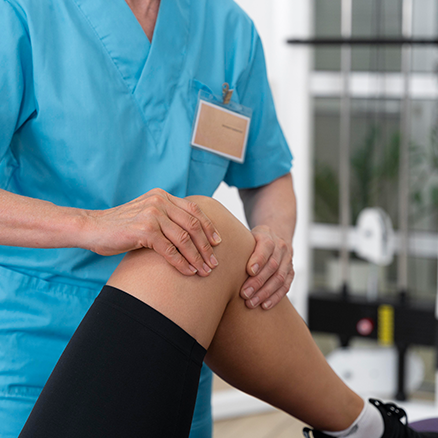
- The immediate postoperative phase focusing on swelling control and basic activation.
- The early strengthening phase targeting the quadriceps and hamstring muscles.
- The functional mobility phase aimed at improving walking patterns and balance.
- The advanced resistance phase for rebuilding muscle volume and joint endurance.
- The long-term maintenance phase to protect the joint from future wear and tear.
- The proprioception phase to restore the brain-body connection for stability.
- The final integration phase for a safe return to sports or high-impact activities.
Physiological Adaptation and the Importance of Muscle Strengthening
Knee surgery exercises place a heavy emphasis on the quadriceps, as this muscle group often undergoes rapid atrophy following surgical intervention. Maintaining muscle mass is not merely an aesthetic goal but a clinical necessity to protect the new joint or repaired ligaments. Knee surgery exercises, such as isometric contractions, help maintain neural pathways even when the joint cannot yet bear full weight. Scientific research indicates that early muscle engagement significantly shortens the overall recovery timeline and improves patient outcomes. Knee surgery exercises also target the hamstrings and gluteal muscles to ensure a balanced distribution of forces across the lower limb. An imbalance in muscle strength can lead to secondary issues, such as hip pain or lower back strain, during the gait retraining process. Knee surgery exercises should be performed with precision, ensuring that the mechanical load is applied at the correct angles to avoid irritating the surgical site. This holistic approach to strengthening ensures that the entire leg functions as a stable unit once the rehabilitation is complete. Knee surgery exercises require a disciplined approach to the frequency and duration of each session to avoid overstressing the healing tissues. While consistency is key, excessive intensity too early can lead to increased inflammation and delayed healing. Knee surgery exercises should be monitored through pain levels, where mild discomfort is expected, but sharp pain serves as a clinical warning to reduce the load. Balancing rest with active movement is the art of physiotherapy that ensures a steady and safe progression toward full health.| Recovery Stage | Exercise Focus | Primary Goal |
| Weeks 1 - 2 | Ankle Pumps, Quad Sets | Circulation, Initial Activation |
| Weeks 3 - 6 | Heel Slides, Straight Leg Raises | Range of Motion, Base Strength |
| Weeks 7 - 12 | Stationary Bike, Mini Squats | Functional Load, Endurance |
| Months 4+ | Balance Boards, Step-ups | Proprioception, Full Mobility |

